
Amsterdam Tourist Scams: Common Online & Offline Scams to Avoid
Some scams happen online before you even arrive, while others happen on the streets, around transport hubs, ATMs, shops and busy tourist areas. From fake tour bookings and card skimming to fake taxis, pickpockets and overpriced souvenirs, knowing the warning signs can help you avoid unnecessary problems. 🚨
The good news is that you don't need to be suspicious of everyone. You simply need to slow down, check what you're paying for and avoid pressure-based offers.
1. 🎟️ Fake Tour Bookings & Fake Websites
📍 Where: Online and around tourist areas
ℹ️ Info: Fake websites can advertise tours that don't actually exist
One of the easiest ways to lose money can happen before your Amsterdam trip even begins. Fake websites and social media pages may advertise canal cruises, walking tours, bike tours or other experiences at attractive prices.
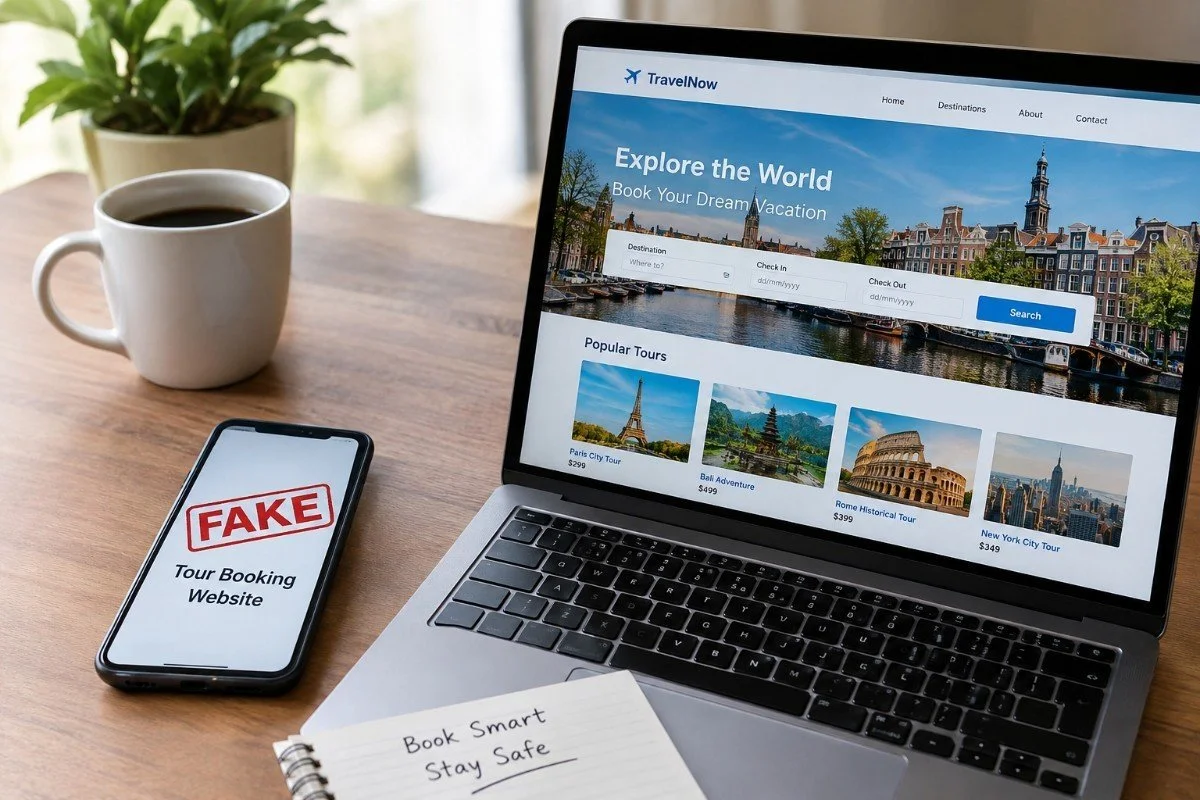
Some websites can look professional and may use real Amsterdam photographs and copied information. After payment, the booking may not exist, or you may discover unexpected charges later.
🔎 Check Before You Book
Before paying, check the company's official website, contact details, reviews, cancellation policy and payment method. If the offer is dramatically cheaper than similar tours or someone is pushing you to pay immediately, take a moment to verify it.
• 🎟️ Compare the tour with official providers
• 💳 Be careful with unusual payment requests
2.Fake Police — Hand Over Your Wallet Scam
📍 Where: Dam Square, Red Light District, Centraal
🕒 Best Time: Evenings & peak season ⚠️
ℹ️ Info: Scammers dressed as police ask to inspect your wallet for counterfeit money — then steal cash
Scammers dressed as police officers approach tourists, claiming to check for counterfeit money or drugs, then steal cash from wallets during inspection. Real police never ask to see your wallet on the street.
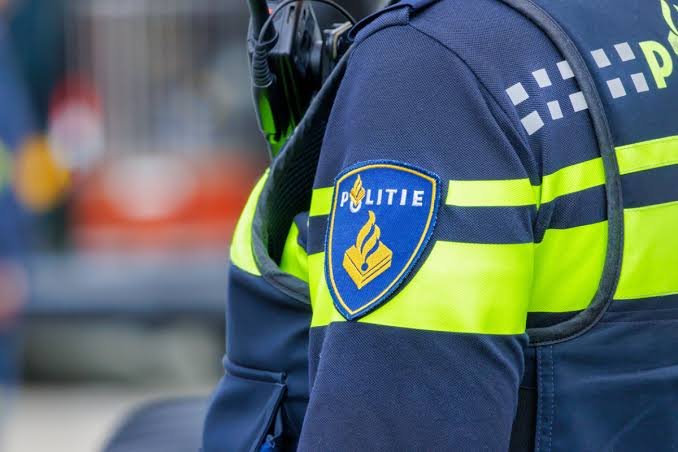
Fake police wallet check — scammers flash fake badges and ask to inspect your wallet for counterfeit money, stealing cash during the “inspection”.
Simple rule: Real Dutch police never ask for your wallet. Ever 🚫.
If approached — ask to go to the nearest police station. Real police will agree. Fake police will walk away immediately
What to do instead:
Never hand your wallet to anyone on the street 🚫
Ask to go to the nearest police station if someone claims to be an officer 👮
Call 0900-8844 if you're unsure whether the person is a real police officer 📞
Stay calm and walk away if something feels suspicious
🚌 3. Hop-On Hop-Off Bus — Amsterdam's Biggest Transport Waste
📍 Where: City center departure points
ℹ️ Info: Costs €25–35 per person and misses most of what you actually want to see
Due to car restrictions in Amsterdam's center, these buses go around the outside of the city — missing the canals, Jordaan, and Nine Streets completely 😅. You pay €25–35 per person to watch Amsterdam through a window while the bus loops the ring road 🪟.
What to do instead:
GVB tram pass = €7.50 for 24 hours, goes everywhere 🚌
Walk — center is compact and beautiful 🚶
Electric pedicab — see actual canals at street level, fixed price
👉 Book:https://amsterdam-electric-pedicabs.com/
4. 💳 Card Skimming at ATMs
📍 Where: ATMs and cash withdrawal points
ℹ️ Info: Tampered card readers can potentially capture card information
Card skimming is a type of payment fraud where criminals use unauthorised devices or modifications to capture card information. Tourists can be particularly vulnerable because they may be unfamiliar with the ATM or simply focused on getting cash.
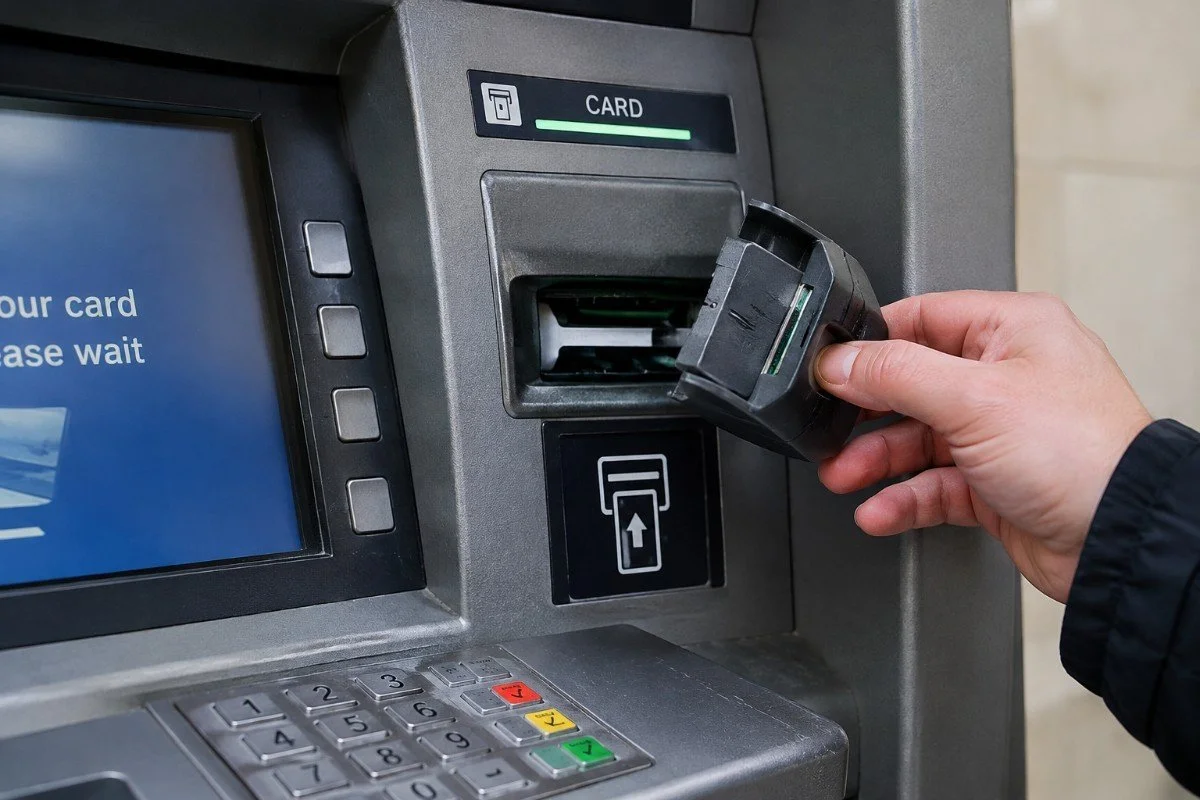
When using an ATM, look at the machine before inserting your card and protect your PIN from anyone nearby. If anything looks unusual or the machine appears damaged, use another ATM instead. 💳
• 🏦 Prefer ATMs operated by reputable banks
• 🔐 Always cover your PIN when entering it
5. 🚕 Fake Taxis & Inflated Fares
📍 Where: Leidseplein & Rembrandtplein
ℹ️ Info: Unofficial offers can lead to unclear or inflated fares
You may sometimes be approached by someone offering a taxi or private ride. The problem is not necessarily the vehicle itself — the problem is getting into a ride without knowing who the driver is, what the fare will be or how the price is calculated.
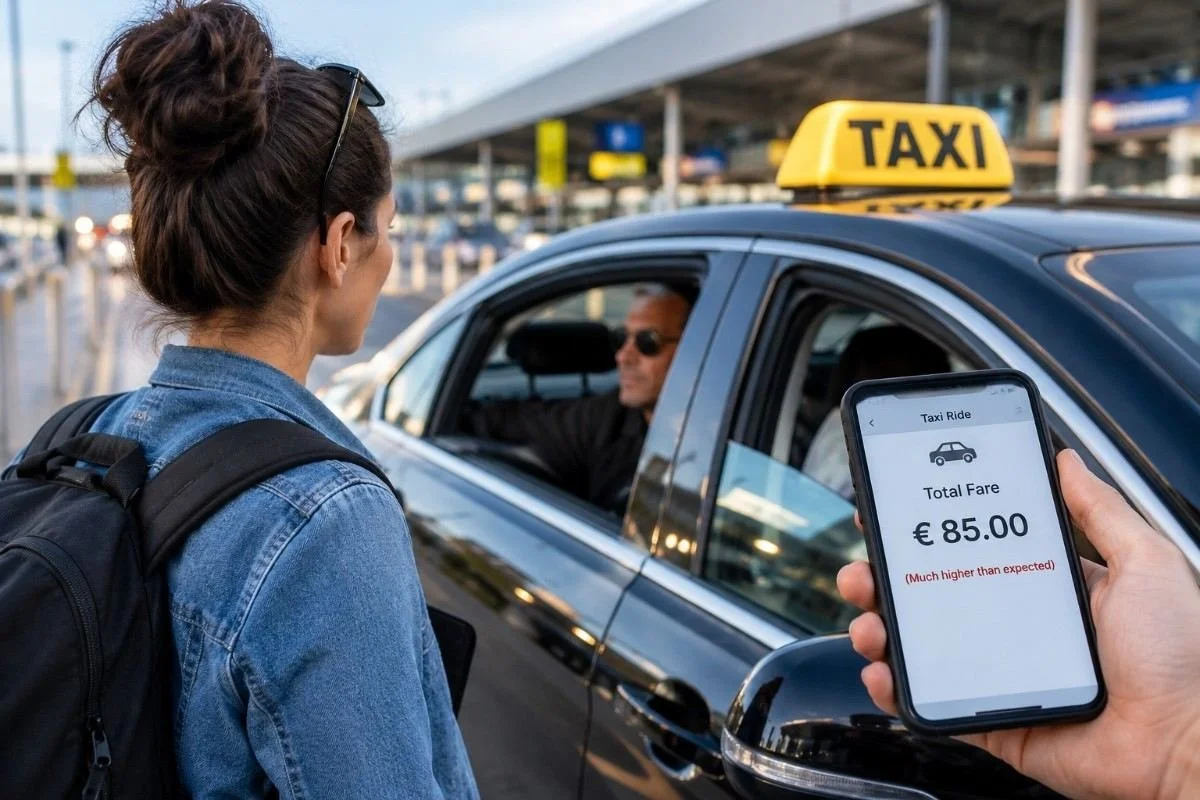
Unlicensed taxi gang — aggressive drivers who grab your luggage before you can discuss a price, then demand €50–80 for a ride that should cost €10–15.
Avoid accepting transportation simply because someone approaches you. Use official taxi services or reputable booking methods, and understand the fare before starting the journey.
• 🚕 Avoid unsolicited taxi offers
• 💶 Confirm the price or fare before travelling
6. 🧤 Pickpockets & Distraction Tricks
📍 Where: Crowded streets, stations and tourist attractions
ℹ️ Info: Crowds and distractions can make it easier to steal belongings
Amsterdam's busiest areas can become crowded, particularly around Amsterdam Centraal, major attractions and public transport. Pickpockets can take advantage of tourists who are distracted by maps, photographs or unfamiliar surroundings.
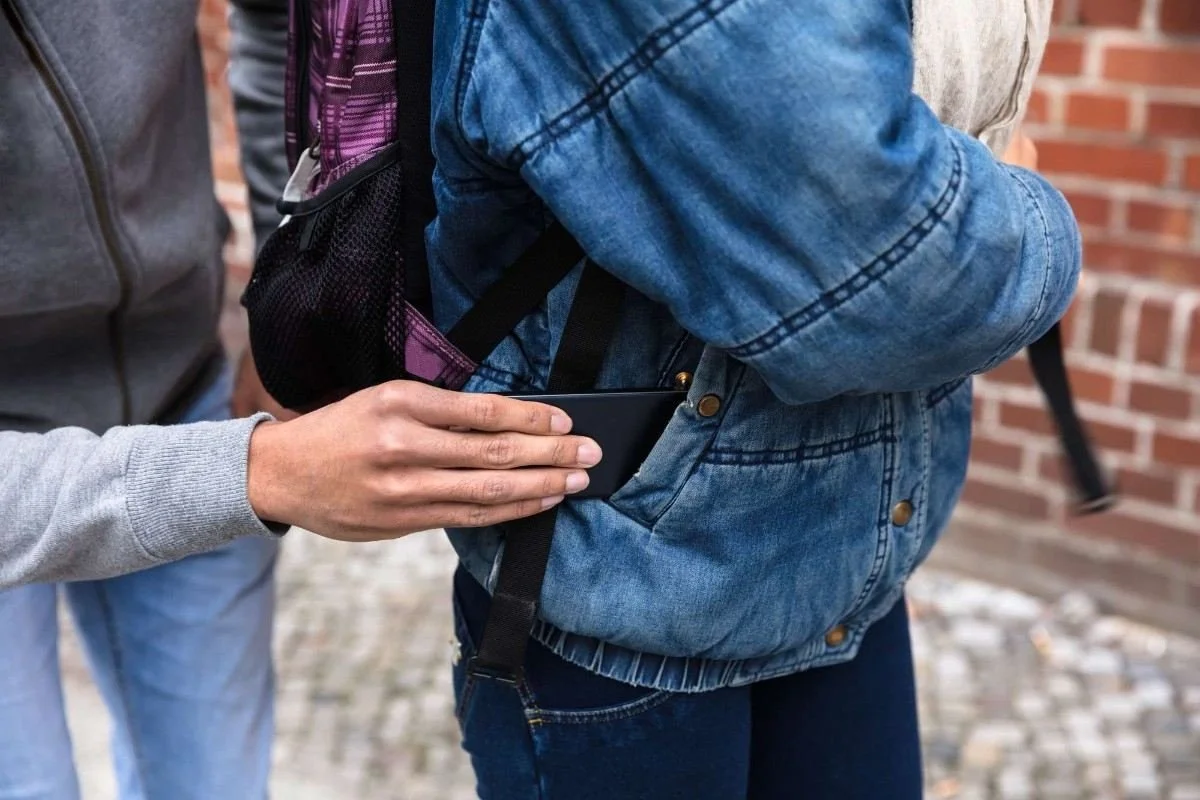
A distraction may be something simple — someone suddenly asking you a question, getting unusually close to you or creating confusion around your belongings. Keep your phone, wallet and passport secure, especially in crowded areas. 🎒
• 📱 Keep your phone and wallet in secure places
• 🎒 Keep bags closed and close to your body
7. 📶 Fake Public Wi-Fi Networks
📍 Where: Cafés, stations, hotels and public areas
ℹ️ Info: Fake networks can potentially expose sensitive information
Free Wi-Fi is useful when you're travelling, but don't automatically connect to a network just because its name looks like it belongs to a nearby café, hotel or public place.
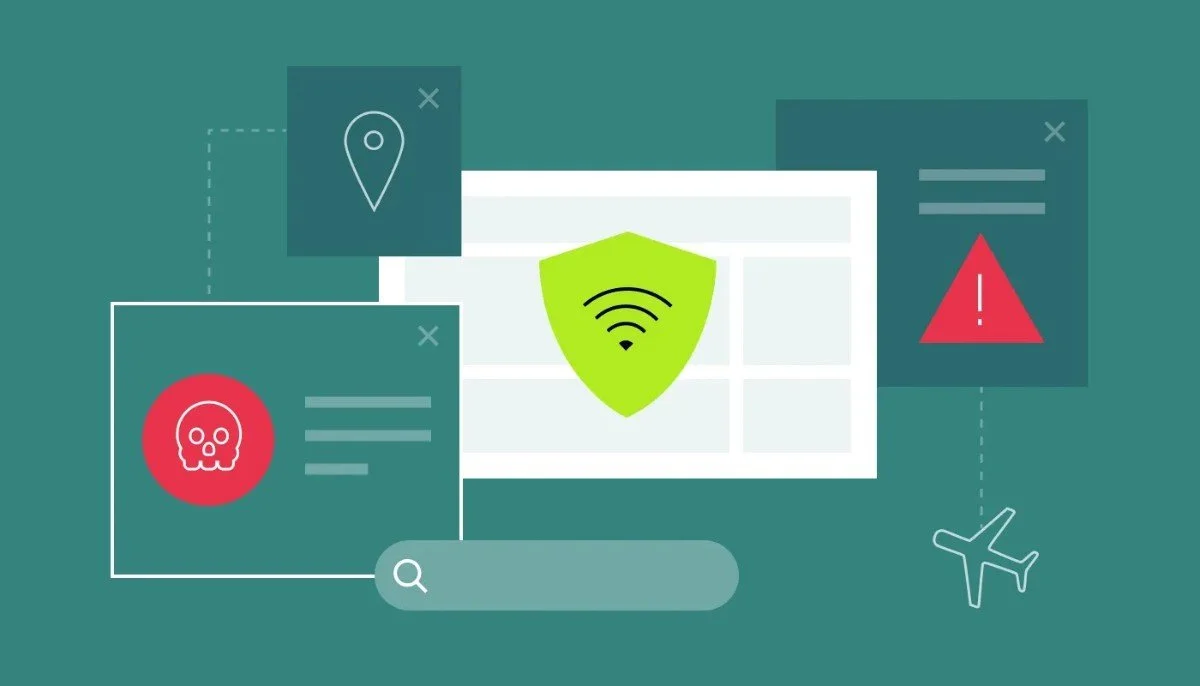
If you're connected to an unknown network, avoid entering banking information, passwords or other sensitive details. When possible, confirm the correct Wi-Fi network with the business or use your mobile data instead. 📱
• 📶 Confirm the network before connecting
• 🔐 Avoid sensitive transactions on unknown Wi-Fi
8. 🛍️ Overpriced Souvenirs & Tourist Traps
📍 Where: Tourist shopping areas
🕒 When: While buying souvenirs
ℹ️ Info: Some tourist products can be heavily marked up
Amsterdam has plenty of genuine souvenir shops, but tourists can also come across low-quality products sold at surprisingly high prices. A sign saying “special price” doesn't automatically mean you're getting a good deal.

This can happen with typical Dutch souvenirs, including tulip bulbs, small gifts and other tourist products. Compare prices at different shops and check exactly what you're buying before handing over your money. 🌷
🌷 Be Careful With “Special Price” Offers
A seller may use words such as “special price,” “today only” or “last chance” to create urgency. Don't let that pressure you into buying something you haven't checked.
9. 💶 Unexpected Prices & Hidden Charges
📍 Where: Shops, restaurants and tourist services
ℹ️ Info: Always understand the total price before agreeing
Not every tourist problem is a sophisticated scam. Sometimes the issue is simply an unexpected price or additional charge that the visitor didn't understand beforehand.
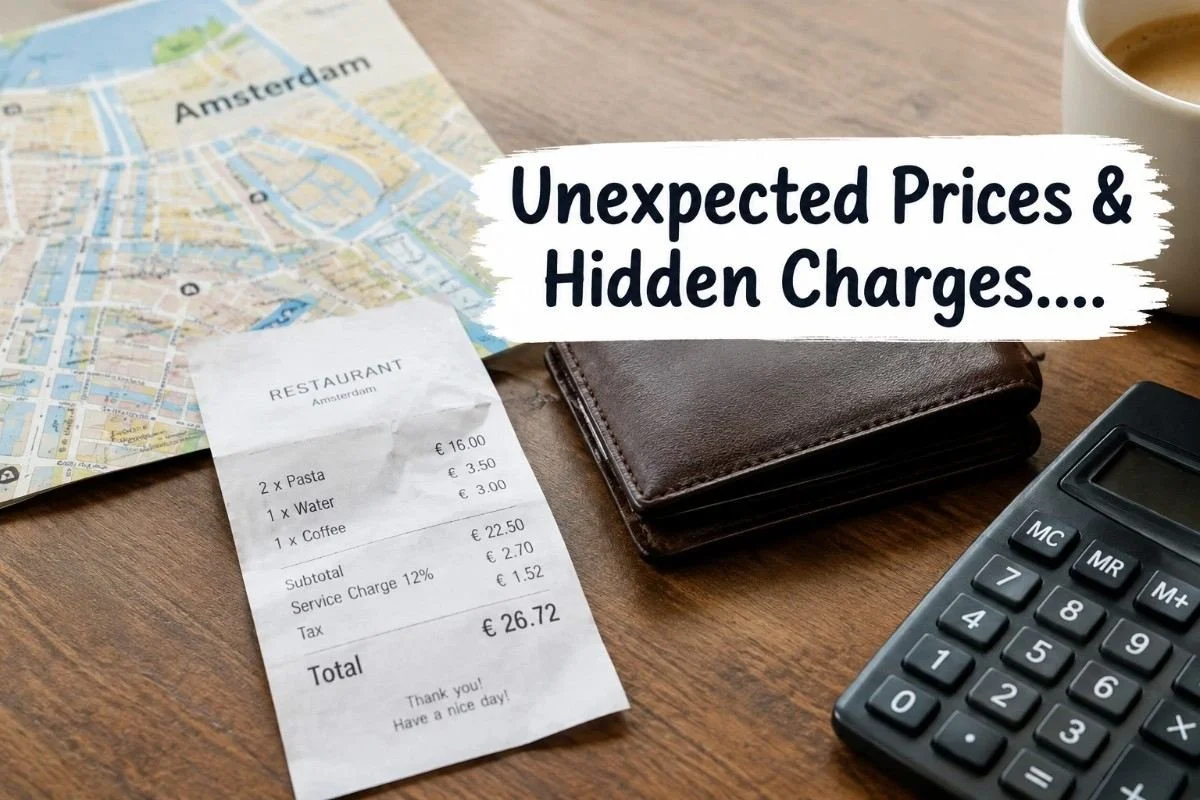
Before ordering food, booking a service or buying something expensive, check the displayed price and what is included. If something isn't clear, ask before agreeing rather than trying to resolve the misunderstanding afterwards.
• 💶 Check the total price before paying
• 🧾 Keep your receipt when making purchases
10. 📱 Suspicious Payment Links & Online Messages
📍 Where: Email, SMS, WhatsApp and social media
🕒 When: Before and during your trip
ℹ️ Info: Fake payment requests can look like legitimate booking messages
Scammers can also target tourists through emails, text messages and messaging apps. A message might claim that your hotel booking, attraction ticket or tour requires an urgent payment or confirmation.
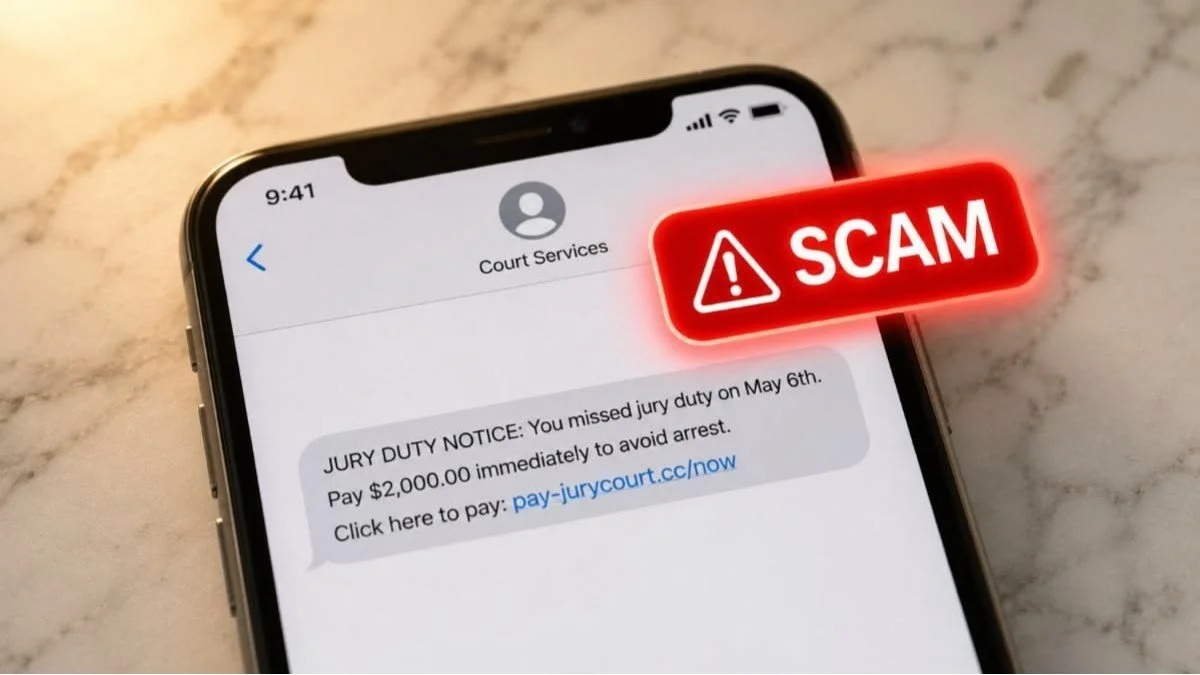
Don't click a payment link simply because the message uses the name or logo of a company you recognise. Instead, open the official website or app yourself and check your booking there.
• 🔗 Don't blindly click unexpected payment links
• 📲 Verify booking problems through the official website or app
11. 🚨 The “Pay Now” Pressure Trick
📍 Where: Online and offline
🕒 When: Whenever someone creates urgency
ℹ️ Info: Pressure is one of the biggest warning signs
One simple rule can protect you from many different scams: don't let someone rush you into paying.
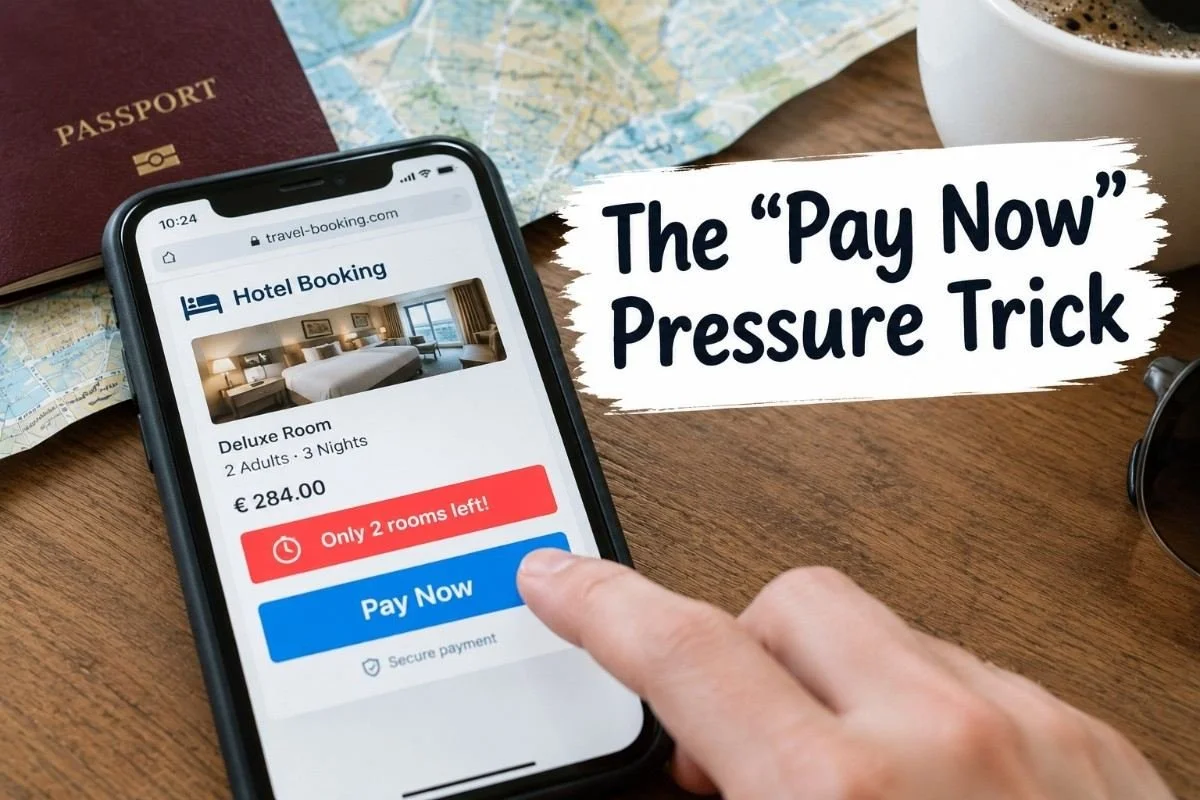
If someone tells you that you must pay immediately, that the price will disappear in seconds or that you cannot leave without paying, stop and check what is actually happening. Legitimate businesses should be able to explain what you're paying for and how much it costs.
• ⏳ Don't pay just because someone is rushing you
• 🔎 Stop and verify unexpected claims
🧠 How to Stay Safe in Amsterdam
You don't need to spend your holiday worrying about scams. A few simple habits can make a big difference.
💳 Protect Your Money
Use secure payment methods, check prices before purchasing and keep your cards, cash and identification secure.
📱 Protect Your Phone
Your phone contains your maps, tickets, banking apps and personal information. Keep it secure and avoid entering sensitive details through unknown links or networks.
🔎 Verify Before You Pay
Whether it's a tour, taxi, accommodation or souvenir, take a few seconds to check who you're paying, what you're getting and the final price.
🚶 Don't Let Strangers Rush You
If an offer feels unusually urgent, cheap or complicated, simply step away and verify it independently.
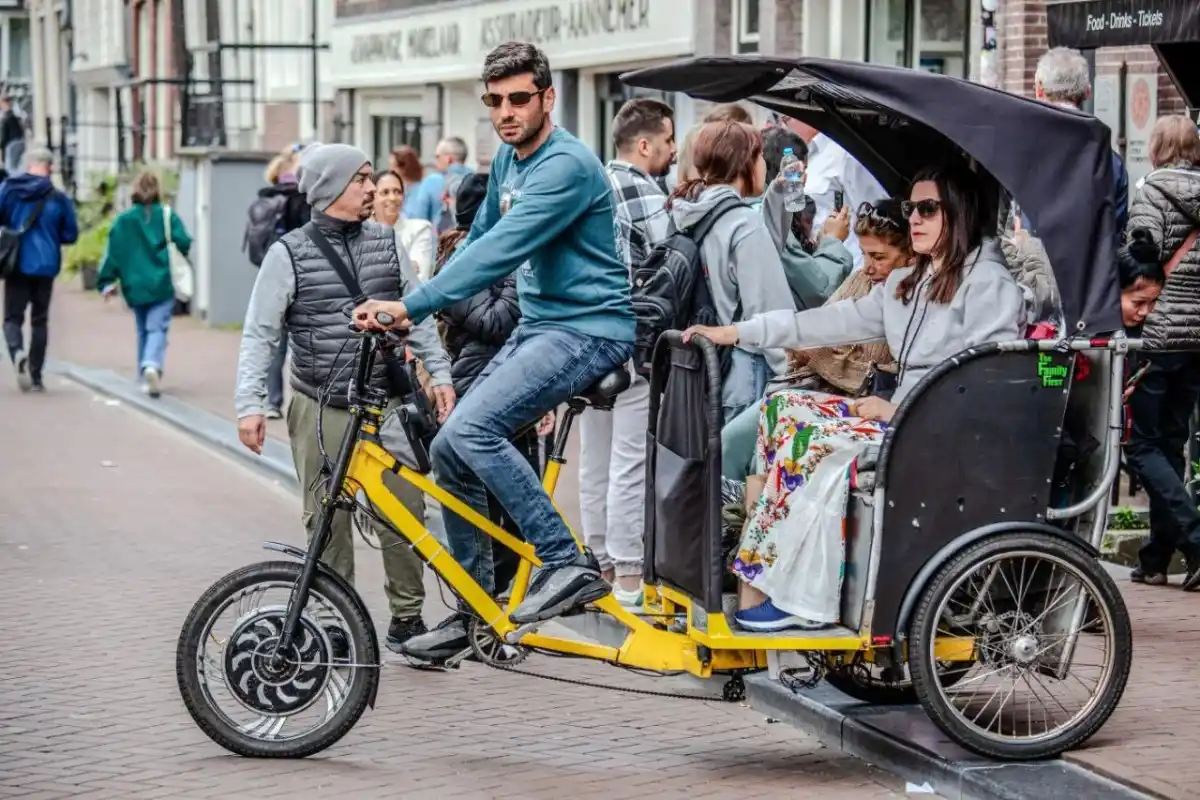
Explore Amsterdam by Electric Pedicab
Private rickshaw tours · From €12 · Local guides · Mon–Sun 8AM–6PM
Before heading out on your day trip, explore Amsterdam the fun way — by private electric pedicab. Cruise through canals, Jordaan, and hidden streets with a friendly local guide. No crowded trams, no tired legs — just a relaxed Amsterdam experience.
🌍 FINAL THOUGHTS
Amsterdam is a welcoming city, and most tourists will never experience a serious scam. But knowing the common tricks makes it much easier to recognise something suspicious when it happens.
From fake tour bookings and card skimming to fake taxis, pickpockets, drug offers, fake Wi-Fi and overpriced souvenirs, the basic rule is simple: slow down, check the details and don't let anyone pressure you into paying. 🇳🇱
A few extra seconds of checking can save you money, protect your personal information and keep your Amsterdam trip focused on what actually matters — enjoying the city. ❤️