
Amsterdam’s Most Unusual Street Names — And the Stories Behind Them
Amsterdam’s street names are more than signs on buildings. Some come from old professions, some remember the city’s medieval past, and others sound so strange that you might wonder how they got their names in the first place. 👀
1. Bloedstraat — The Street with a Bloody Name 🩸
Bloedstraat literally translates to “Blood Street.” It sounds like something from a horror film, but its real history is more complicated. The street is a short, narrow passage between Nieuwmarkt and Oudezijds Achterburgwal, and the city once had a hospital department belonging to a Franciscan monastery here.
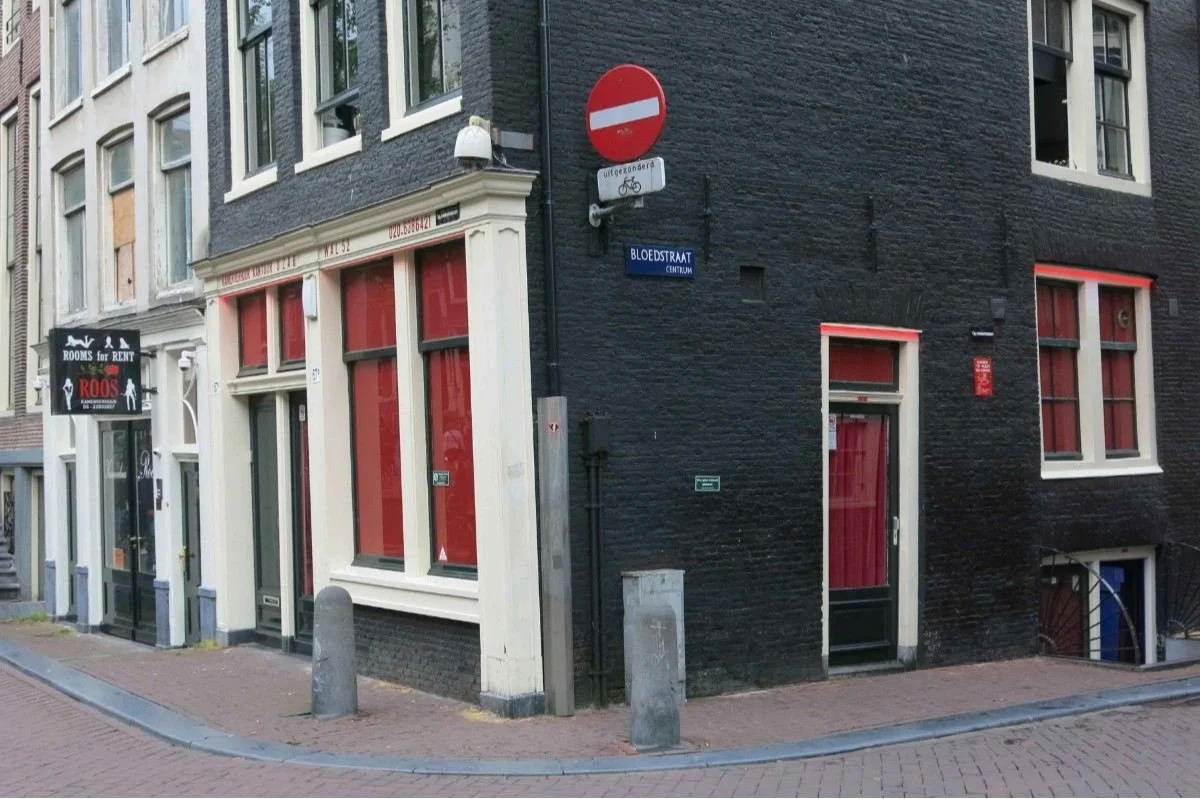
One theory connects the name with historical bloodletting treatments, which were once used to treat illnesses. Another story links the street to interrogations during the rule of the Spanish Duke of Alba. However, the exact origin of the name is uncertain.
📍 Where: Near Nieuwmarkt, in the old city centre
👀 Look for: The street sign and the narrow historic passage
2. Spooksteeg — The Ghost Alley 👻
Spooksteeg translates roughly to “Ghost Alley,” making it one of Amsterdam’s eeriest-sounding street names. It belongs to a group of unusual names that includes Bloedstraat, Galgenstraat and Spinnenkopstraat.
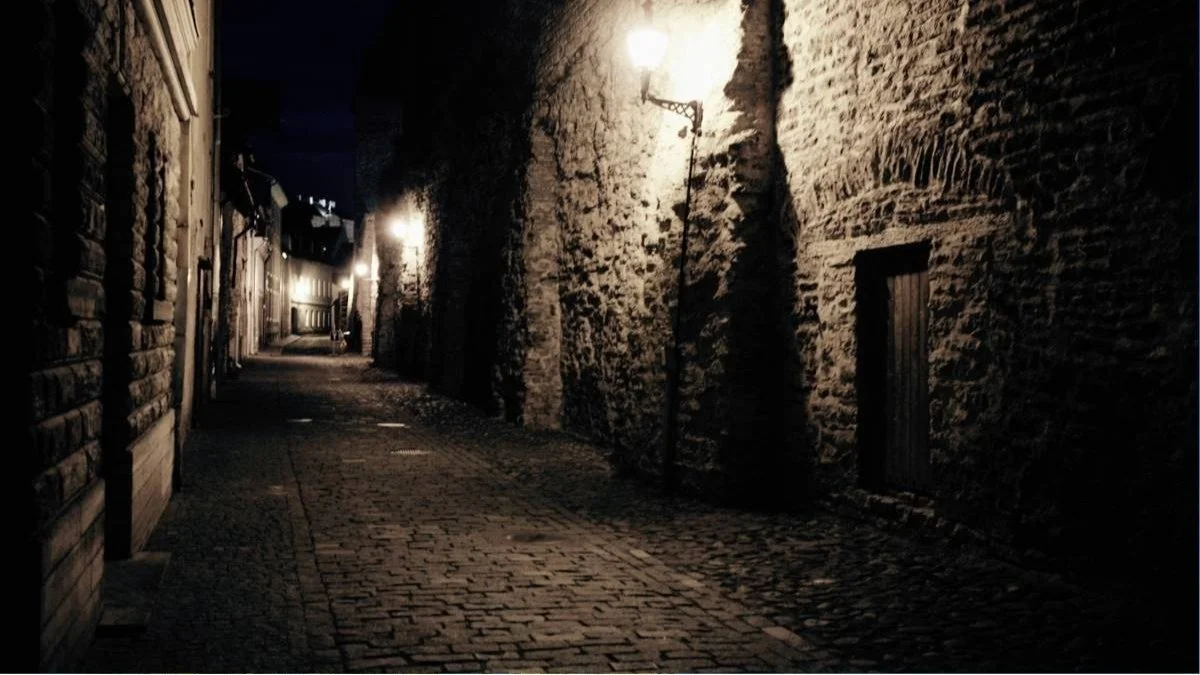
A frightening name does not automatically mean a street has a documented ghost story. Amsterdam’s old street names often developed from local expressions, nearby activities or whatever residents associated with a particular place. The name is intriguing, but a supernatural explanation should not be assumed without historical evidence.
📍 Where: Check the exact location before planning a visit
👀 Look for: Old alleyways and historic street-name signs
3. Galgenstraat — The Gallows Street ⚖️
Galgenstraat translates to “Gallows Street,” a name that sounds especially dark today. According to the Municipality of Amsterdam, there was even an attempt to replace its name with Prinsendwarsstraat. The proposed change did not catch on, and the old name survived in everyday use.
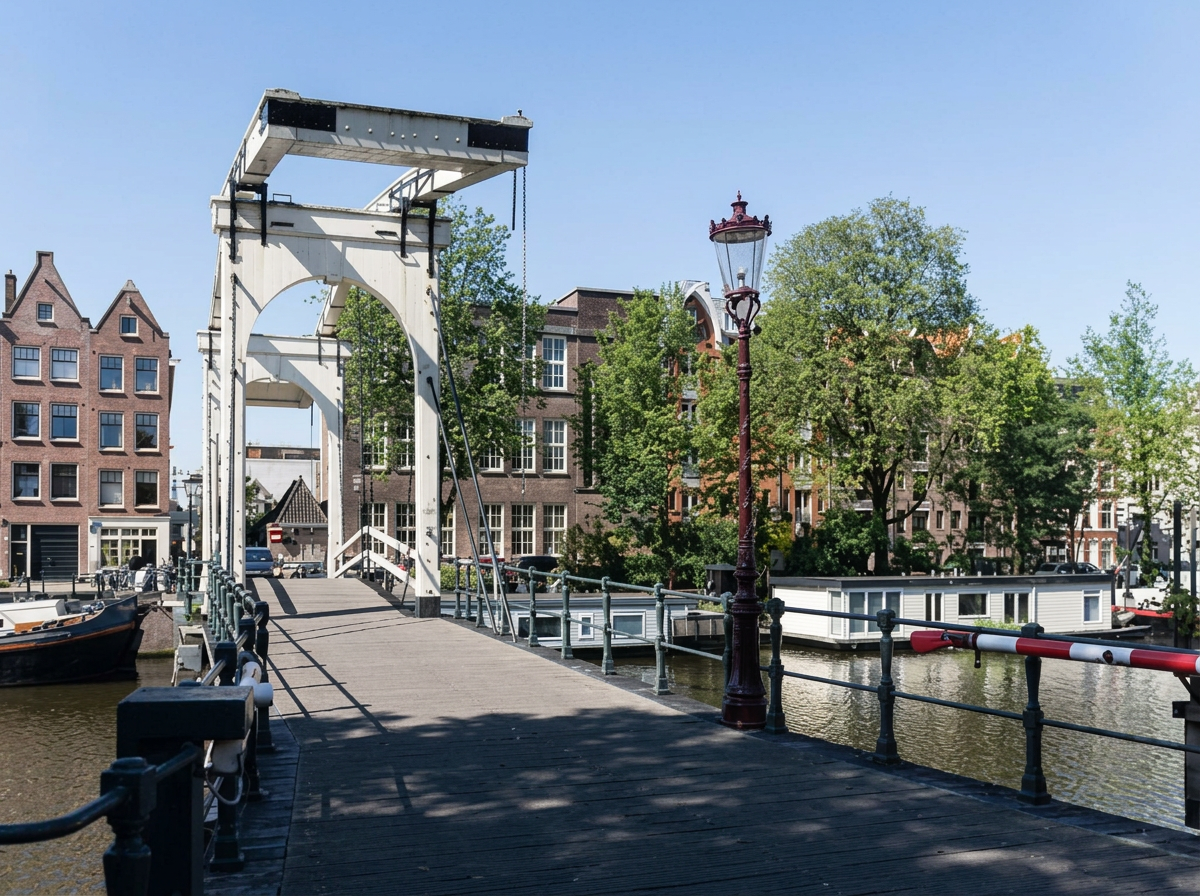
This is a fascinating example of how local identity can outlast an official attempt to give a street a more respectable name. The naming dispute is documented, although it does not establish every detail people might assume about the street’s connection to executions.
📍 Where: Westelijke Eilanden area
👀 Look for: The original street name rather than relying on spooky legends
4. Ossenspooksteeg — A Name That Sounds Like a Riddle 🐂
Ossenspooksteeg is another unusual name recorded among Amsterdam’s more frightening-sounding streets. The Dutch word os refers to an ox, while spook means ghost. Put together, the name sounds like something involving a ghostly ox.
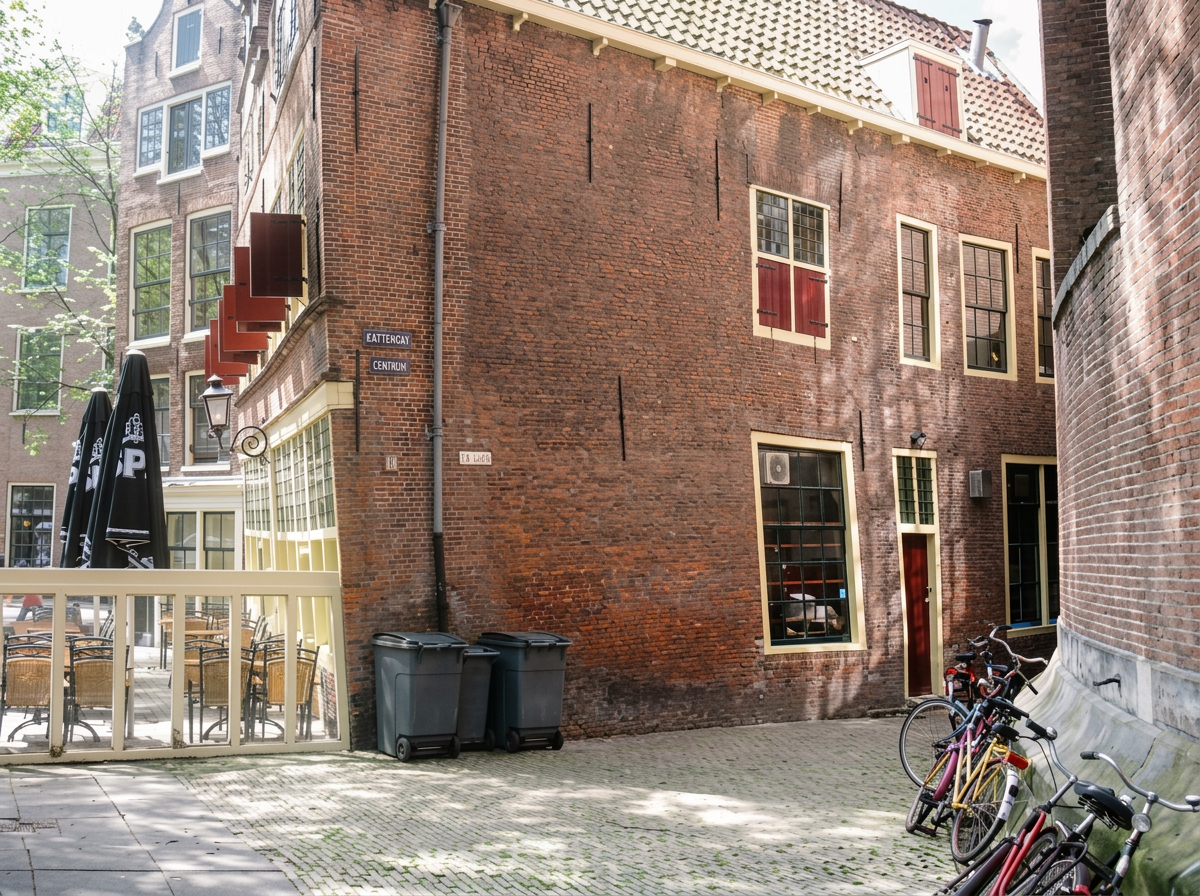
It is tempting to imagine that the street must have had a connection with a creature or a local legend. However, without a reliable historical explanation, that would be speculation. Sometimes a name survives longer than the story behind it.
📍 Where: Research the name in Amsterdam’s street-name records
👀 Look for: Historical maps or archival references to the name
5. Zwarte Handsteeg — The Black Hand Alley 🖐️
Zwarte Handsteeg translates roughly to “Black Hand Alley.” Alongside names such as Spooksteeg and Galgenstraat, it shows how dramatic and memorable some historic Amsterdam street names can be.
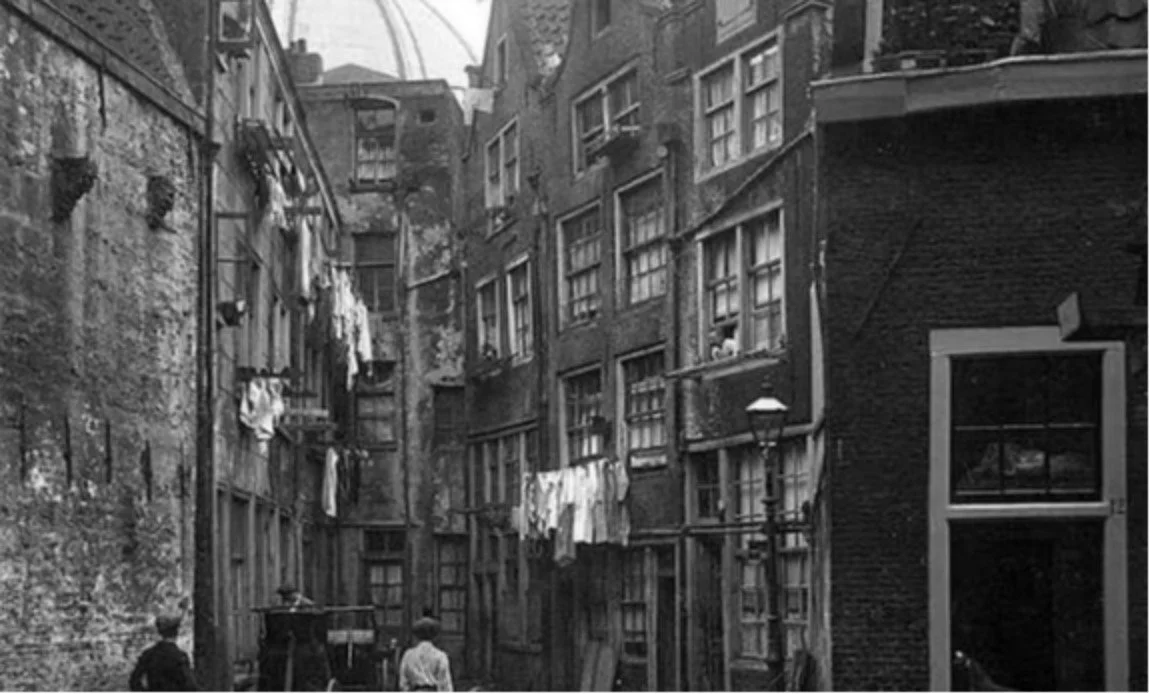
The name may invite theories about crime, secret societies or local legends, but those interpretations should not be treated as fact without evidence. Its appeal lies in how much mystery a few words can create.
📍 Where: Confirm the location in a historical street register
👀 Look for: The street-name plate and any archival records explaining the name
6. Enge Kapelsteeg — The Narrow Chapel Alley ⛪
At first, Enge Kapelsteeg sounds like the name of a frightening chapel alley. But there is a linguistic twist: in Dutch, enge can mean narrow or confined, as well as frightening. The name therefore does not necessarily suggest anything haunted.
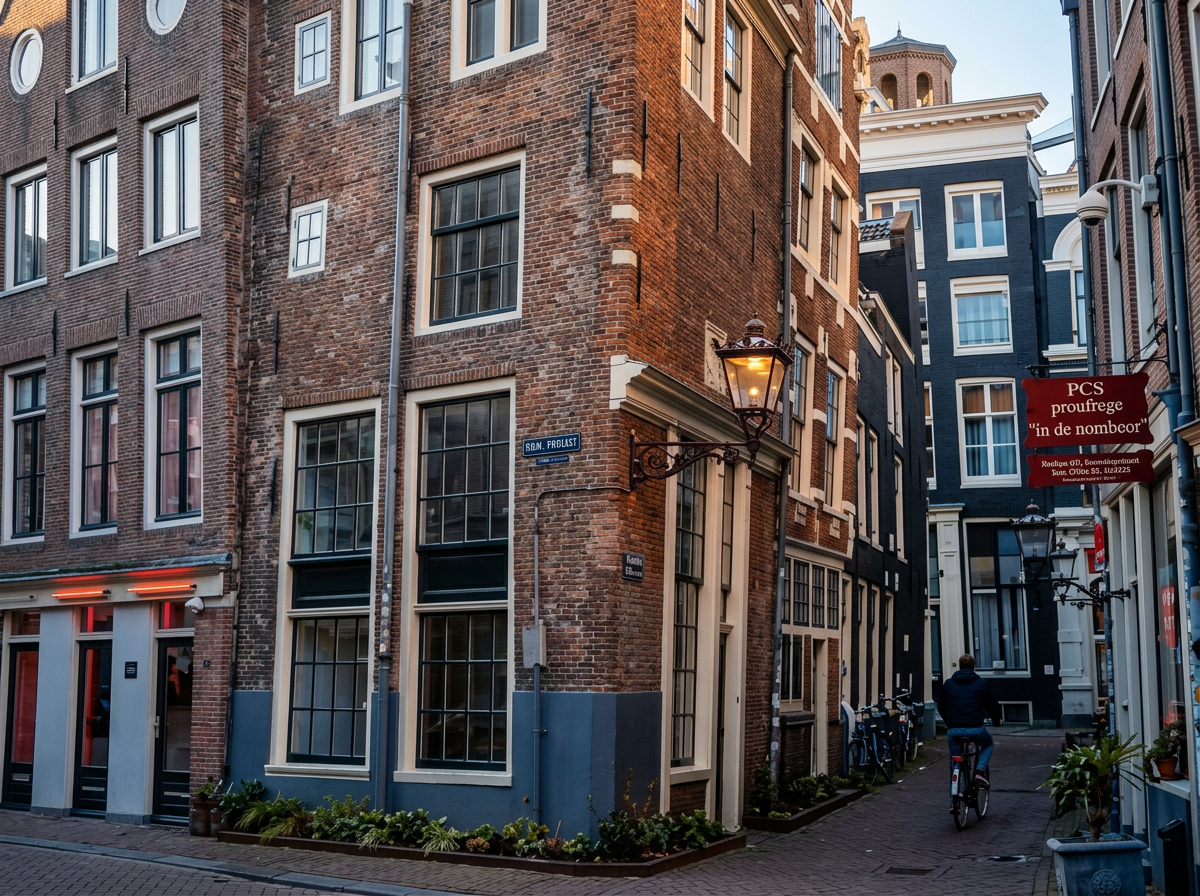
This is one of the most useful things to remember when exploring Amsterdam. Words change meaning over time, and a name that sounds dramatic today might once have been a straightforward description of a narrow passage.
📍 Where: Explore the historic centre’s old alleyways
👀 Look for: How narrow lanes differ from the wider streets nearby
7. Haarlemmerdijk — A Street So Notorious It Inspired an Expression 🗣️
Haarlemmerdijk may not sound particularly unusual, but its history is full of character. According to Amsterdam’s City Archives, the street had such a notorious reputation during the seventeenth and eighteenth centuries that “Haarlemmerdijkies maken” became an expression associated with picking fights or causing trouble in the street.

Today, Haarlemmerdijk is known for shopping and its lively atmosphere. Knowing its past makes a walk along it more interesting: the same street that now attracts shoppers once had a reputation strong enough to influence everyday language.
📍 Where: Haarlemmerdijk, in the western part of the historic centre
👀 Look for: Independent shops and the contrast between its modern atmosphere and its past
8. Kalverstraat — The Calf Street 🐄
Kalverstraat is now one of Amsterdam’s best-known shopping streets, but its name points towards a more practical past. Kalver means “calves” in Dutch, and the street name is associated with the livestock trade that once took place in the area.
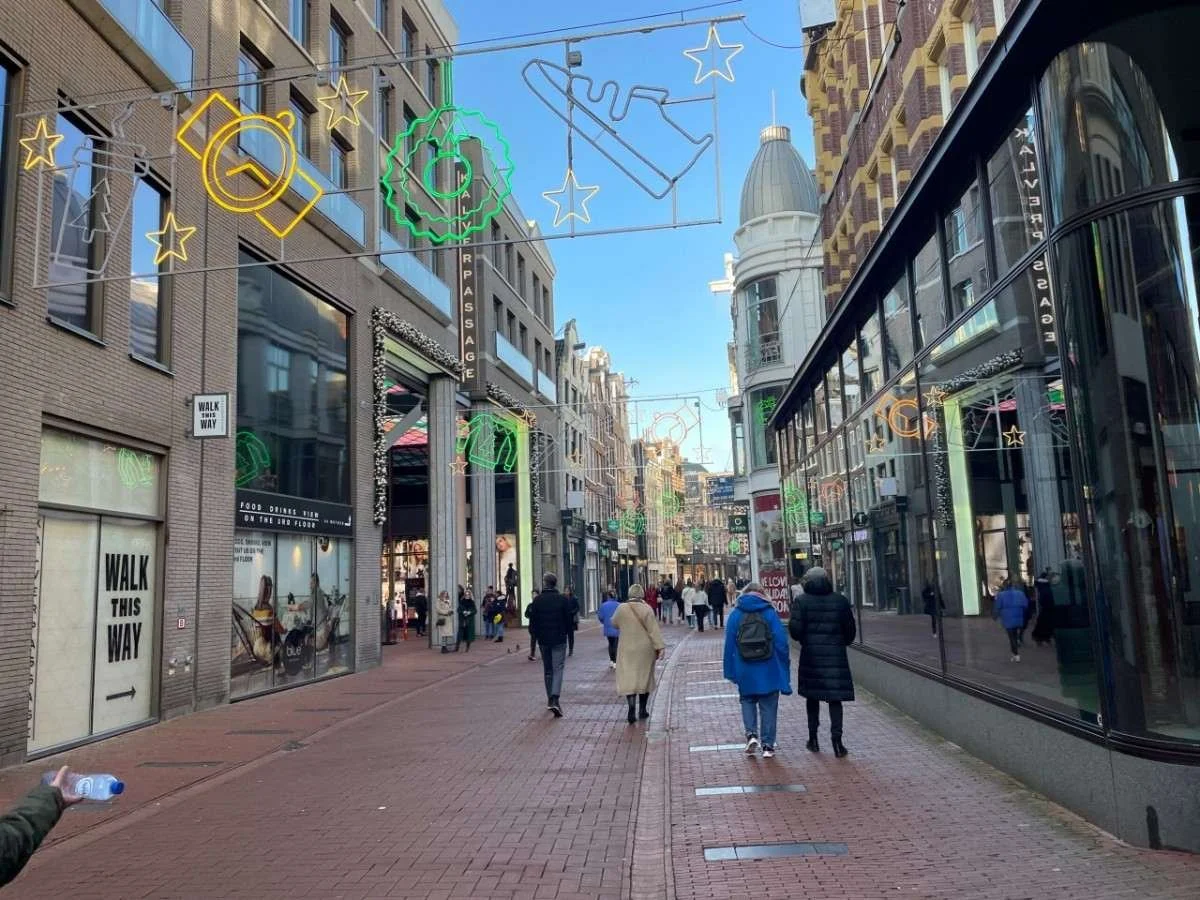
It is a striking transformation: a name linked to livestock now belongs to a busy retail street filled with fashion shops, cafés and shoppers. The name offers a small clue to the city that existed before modern shopping districts.
📍 Where: Between Dam Square and Muntplein
👀 Look for: The street sign while walking through the shopping district
9. Heksenpad — The Witches’ Path 🧙
Heksenpad translates to “Witches’ Path,” and it is a reminder that unusual street names are not always centuries old. The Municipality of Amsterdam has explained that this street name in Slotermeer was inspired by two local women known in their neighbourhood for collecting witches.
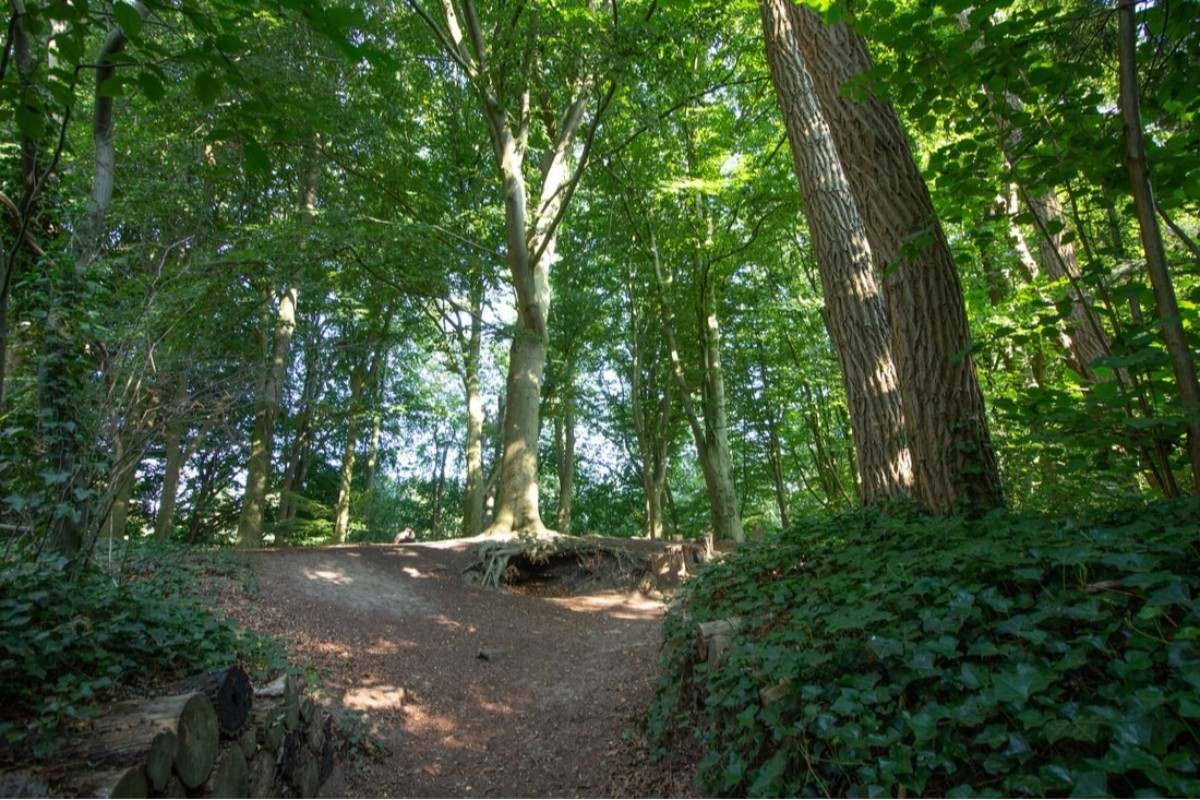
That makes the name different from the older, mysterious names in the city centre. Rather than being a forgotten medieval mystery, it has a modern local story behind it. It also shows how small neighbourhood details can become historical curiosities for future generations.
📍 Where: Slotermeer, Amsterdam Nieuw-West
👀 Look for: The street sign and the everyday residential setting around it
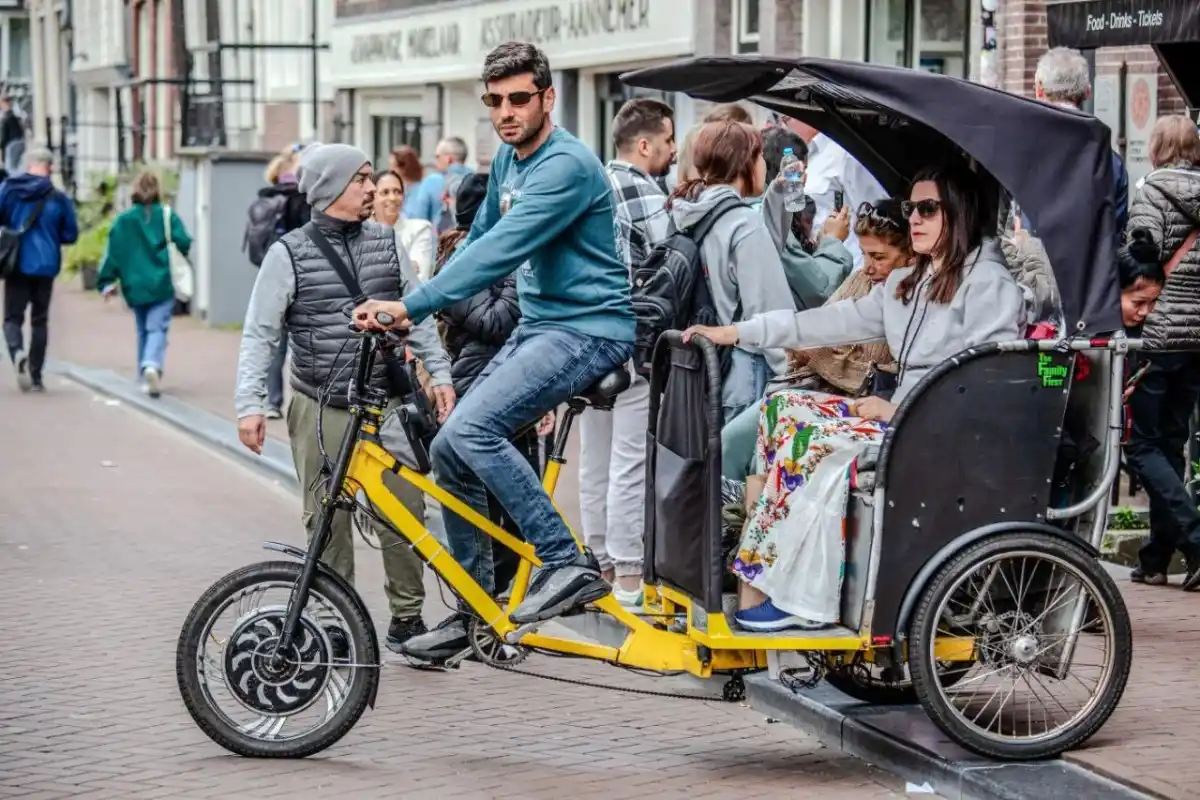
Explore Amsterdam by Electric Pedicab
Private rickshaw tours · From €12 · Local guides · Mon–Sun 8AM–6PM
Before heading out on your day trip, explore Amsterdam the fun way — by private electric pedicab. Cruise through canals, Jordaan, and hidden streets with a friendly local guide. No crowded trams, no tired legs — just a relaxed Amsterdam experience.