
Who Made Amsterdam Famous? The People Behind the City's Story
You've done the canals, queued for Van Gogh, walked the Jordaan and eaten a stroopwafel 🧇. You think you know Amsterdam — but most visitors see maybe 10% of what this city actually is .
The other 90% is still there — hidden behind ordinary doors, in neighborhoods guidebooks skip, and in experiences locals enjoy while tourists queue outside the same five attractions
This guide is for visitors who want to go deeper 🔥. Forget the usual Amsterdam checklist for a moment. Let's look at the people who helped shape the city's art, football, philosophy, literature, science, history and identity ❤️.
1. 📔 Anne Frank — The Girl Whose Diary Changed the World
📍 Where: Anne Frank House, Prinsengracht
🕒 Visit: Check the official website for current opening hours and tickets
ℹ️ Info: One of Amsterdam's most important historical stories
Anne Frank became one of the most recognised names connected with Amsterdam through the diary she wrote while hiding with her family during the Nazi occupation 📔. She was only a teenager, but her writing captured her fears, hopes, frustrations and dreams while living in the Secret Annex 🏠.
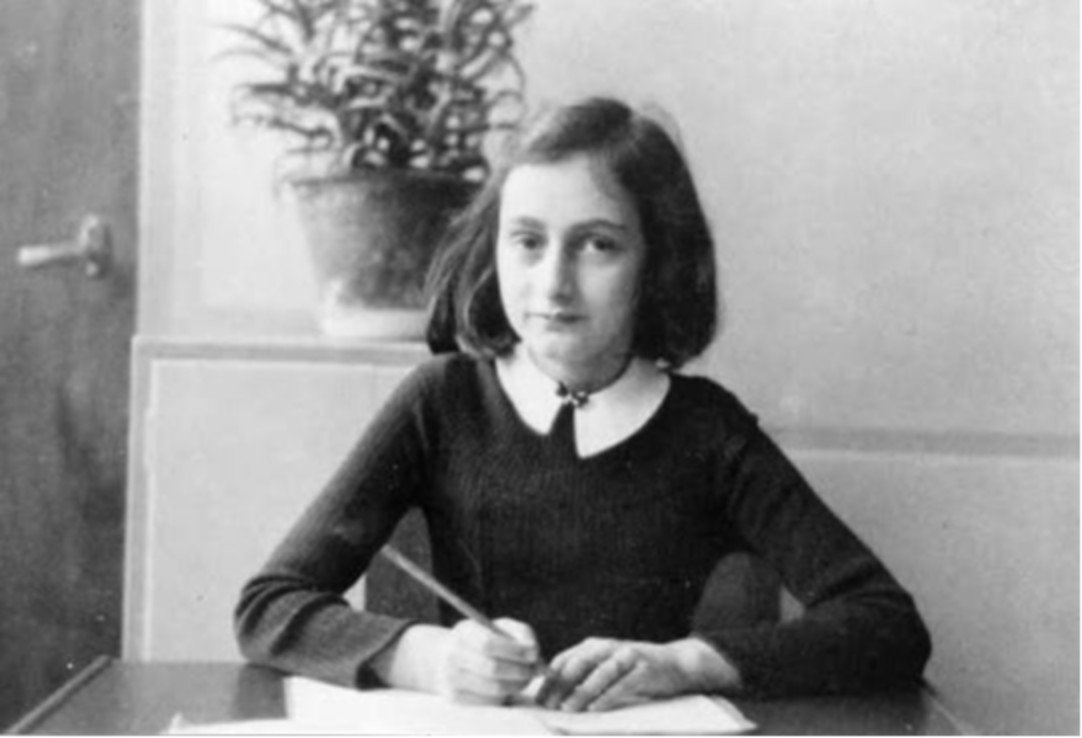
The building where Anne and her family hid has become the Anne Frank House, where visitors can understand the reality of life in hiding during the Holocaust ❤️. Her diary later reached millions of readers around the world and became an important historical document 🌍.
• Started writing her diary when she was 13 📔
• Lived in hiding in Amsterdam during the Nazi occupation 🏠
• Her diary was published after the war 📖
• Her story is known around the world 🌍
📍 Visit: Anne Frank House, Prinsengracht 263–267
2. 🎨 Vincent van Gogh — The Misunderstood Genius
📍 Where: Van Gogh Museum, Museumplein
🕒 Visit: Check the museum website for current opening hours and tickets
ℹ️ Info: Home to the world's largest collection of works by Vincent van Gogh
Vincent van Gogh is probably one of the first names people think of when Amsterdam and Dutch art are mentioned 🎨. His paintings are famous for their powerful colors, emotional brushwork and unmistakable style, but his life was far more complicated than the beautiful paintings suggest.
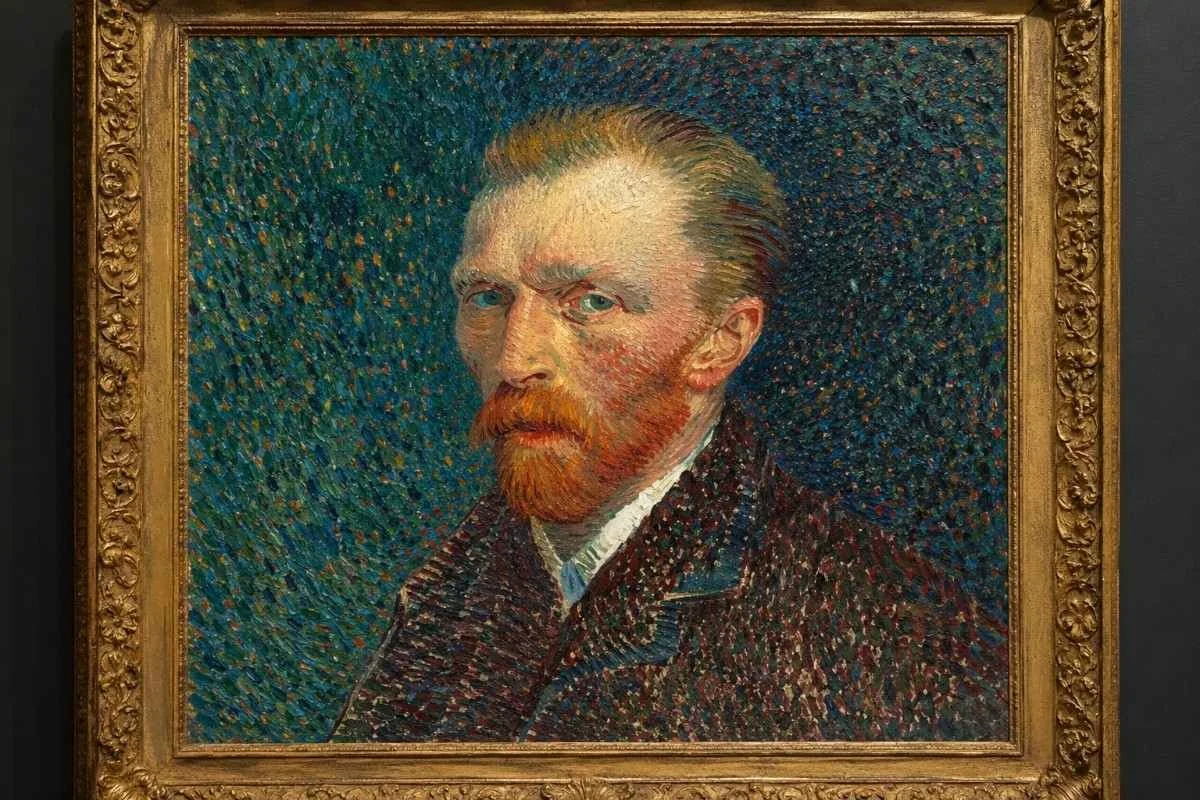
During his lifetime, Van Gogh struggled with money, mental health and recognition 😔. He sold very little work while alive, yet his paintings later became some of the most famous artworks in the world 🌻. Today, the Van Gogh Museum tells his story through paintings, drawings, letters and personal objects.
• Famous works include Sunflowers and The Bedroom 🌻
• His brother Theo supported him financially and emotionally ❤️
• Van Gogh created thousands of artworks 🎨
• His work became hugely influential after his death 🌍
📍 Visit: Museumplein, Amsterdam
3. 🖼️ Rembrandt van Rijn — The Greatest Dutch Master
📍 Where: Rembrandt House Museum, Jodenbreestraat
🕒 Visit: Check the official museum website for current hours and tickets
ℹ️ Info: The historic house where Rembrandt lived and worked
Rembrandt van Rijn became one of the most important artists in Dutch history 🖼️. He was famous for his portraits, dramatic use of light and ability to capture the personality of the people he painted. His work helped define the Dutch Golden Age of painting 🇳🇱.
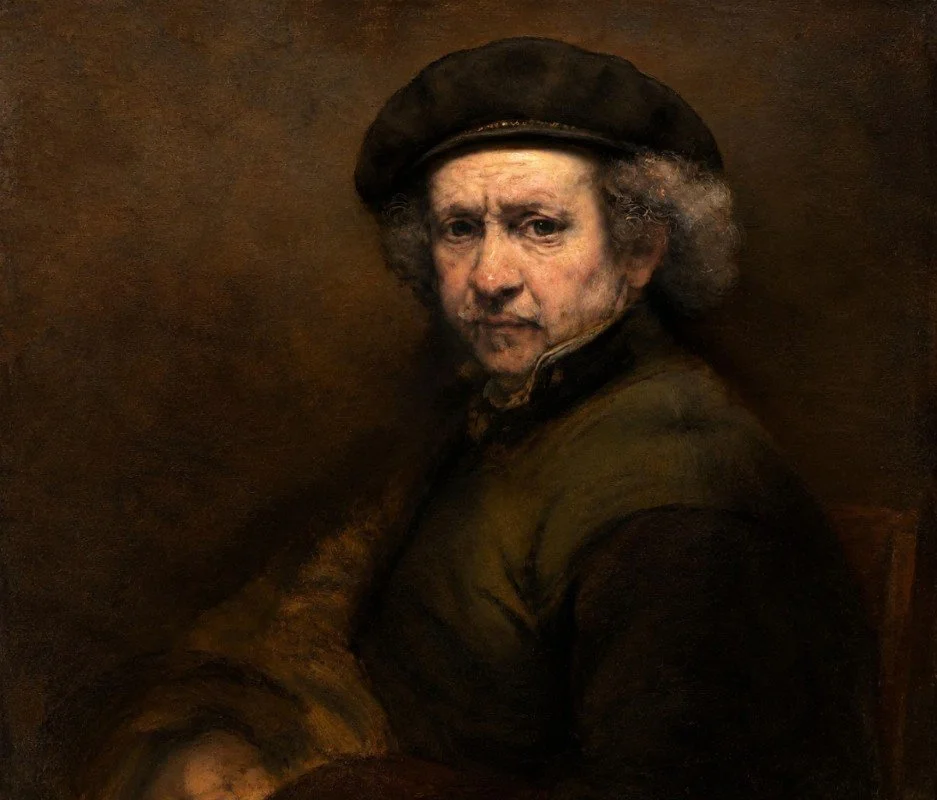
But Rembrandt's Amsterdam story is not only about paintings. He actually lived and worked in the city, and his former home gives visitors a much more personal look at his life 🏠. Walking through the rooms and studio helps you imagine Amsterdam during the 17th century.
• One of the most important Dutch painters in history 🎨
• Famous for dramatic light and shadow 🌓
• Painted The Night Watch 🖼️
• His former home can still be visited 🏠
📍 Visit: Rembrandt House Museum, Jodenbreestraat
4. ⚽ Johan Cruyff — The Man Who Changed Football Forever
📍 Where: Johan Cruijff ArenA, Amsterdam-Zuidoost
🕒 Visit: Check the official ArenA website for tour times
ℹ️ Info: One of Amsterdam's most famous sporting names
Johan Cruyff was more than a football player ⚽. Born in Amsterdam, he became one of the greatest footballers of his generation and played a huge role in shaping the famous Dutch football style known as Total Football .
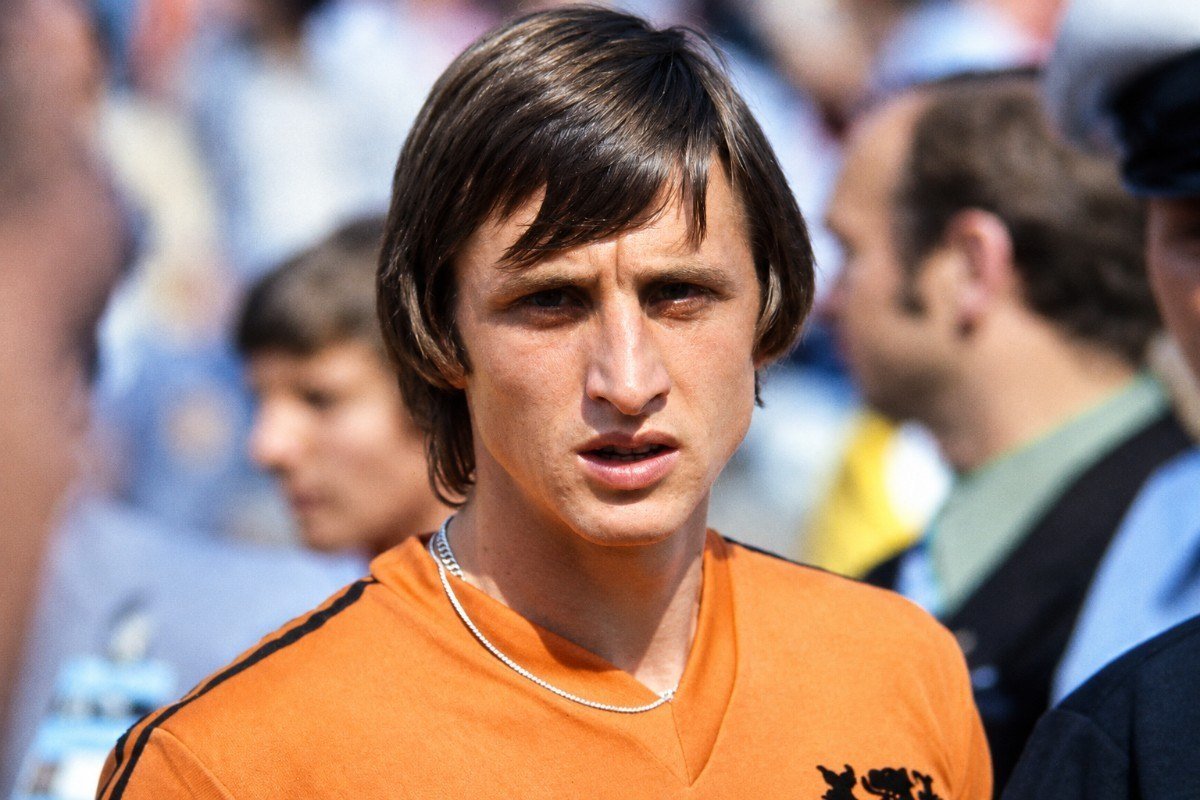
His connection with Ajax made him a local legend, while his ideas about football continued to influence the sport long after his playing career ended 🔥. Amsterdam's stadium was renamed the Johan Cruijff ArenA in his honour, making his name a permanent part of the city's modern identity.
• Born in Amsterdam ⚽
• Became an Ajax legend 🔴⚪
• Helped define Total Football 🇳🇱
• The Johan Cruijff ArenA carries his name 🏟️
📍 Visit: Johan Cruijff ArenA
5. 🌸 Johannes Vermeer— The Master of Light
📍 Where: Rijksmuseum, Museumplein
🕒 Visit: Check the Rijksmuseum website for current exhibitions and opening hours
ℹ️ Info: Vermeer was a Dutch Golden Age painter famous for quiet domestic scenes and incredible use of light
Johannes Vermeer is one of the most admired painters of the Dutch Golden Age 🎨. Although he was born and worked mainly in Delft, his paintings have become an important part of the wider Dutch art story that visitors discover in Amsterdam.
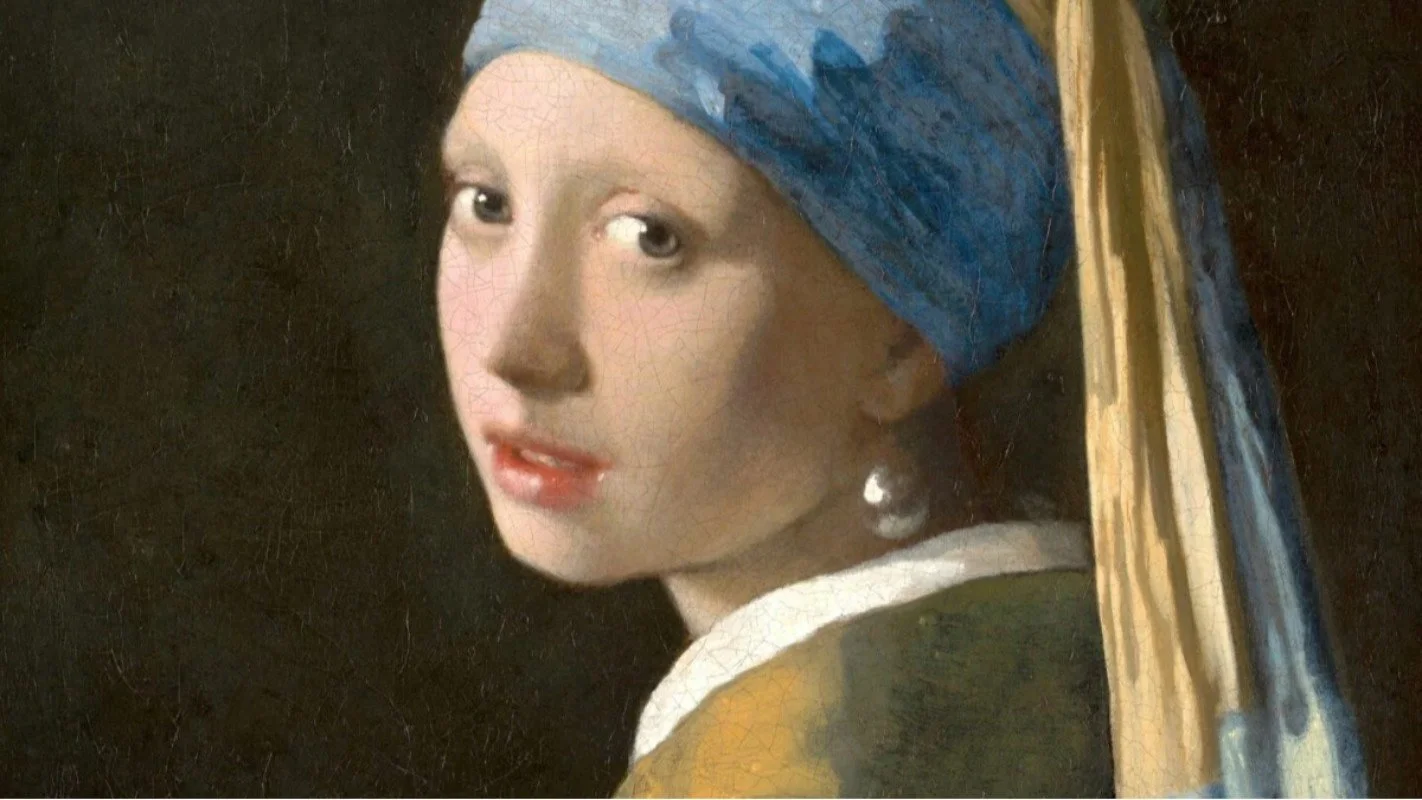
Vermeer became famous for turning ordinary moments into beautiful scenes ✨. His paintings often show people inside quiet rooms, with natural light coming through windows and creating an almost magical feeling. His famous Girl with a Pearl Earring is especially well known around the world 👧🏻.
• Famous for his incredible use of light 💡
• Painted quiet everyday scenes 🏠
• One of the great Dutch Golden Age painters 🇳🇱
• Girl with a Pearl Earring is one of his best-known works 👧🏻
📍 Visit: Rijksmuseum for major Dutch art collections
6. 👑 King Willem-Alexander — Amsterdam's Modern Monarch
📍 Where: Royal Palace Amsterdam, Dam Square
🕒 Visit: Check the official palace website for opening dates and hours
ℹ️ Info: Amsterdam's Royal Palace is used for official royal functions and ceremonies
Amsterdam has a royal connection that is easy to miss when you're busy exploring canals and museums 👑. King Willem-Alexander is the current King of the Netherlands and represents the modern Dutch monarchy.

The Royal Palace on Dam Square is one of the most visible reminders of that royal connection 🏛️. The impressive building was originally constructed as Amsterdam's city hall during the Dutch Golden Age before becoming a royal palace. Today, it continues to play an important role in official royal events and ceremonies.
• King of the Netherlands since 2013 👑
• Part of the House of Orange-Nassau 🇳🇱
• The Royal Palace stands in Dam Square 🏛️
• The palace is sometimes open to visitors
📍 Visit: Dam Square, central Amsterdam
7. William of Orange — The Father of the Dutch Nation
📍 Where: Amsterdam and historic Netherlands
🕒 Visit: Explore Amsterdam's historic sites and monuments
ℹ️ Info: William of Orange played a major role in the Dutch struggle for independence from Spain
William of Orange, also known as William the Silent, is one of the most important figures in Dutch history 🇳🇱. He became a leading figure in the revolt against Spanish rule and is closely connected with the origins of the Dutch state.
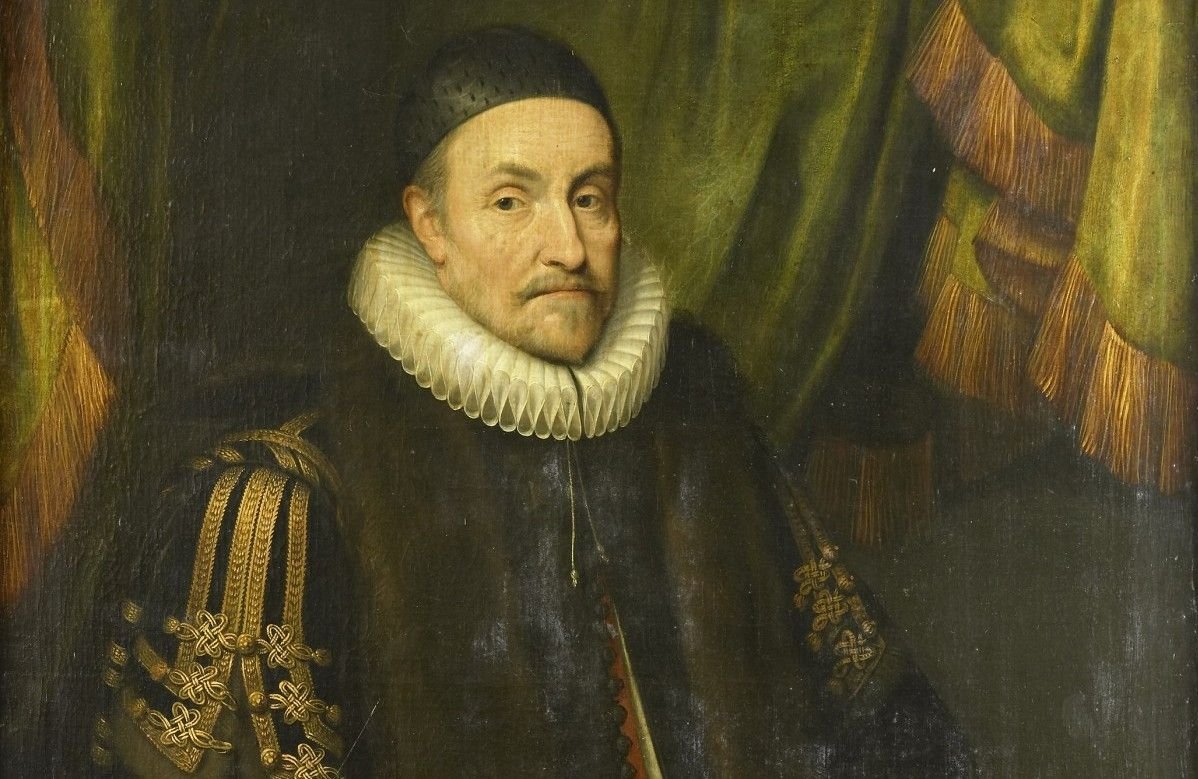
His story belongs to a much older Amsterdam, long before the city became today's tourist destination 🏛️. The House of Orange-Nassau that developed from his family continues to be the Dutch royal family today 👑.
• Important leader during the Dutch Revolt 🇳🇱
• Connected with the origins of the Dutch state 📜
• Known as William the Silent
• The House of Orange-Nassau continues today 👑
📍 Explore: Historic Amsterdam and Dutch heritage sites
8. 🧠 Baruch Spinoza — Philosophy's Most Radical Mind
📍 Where: Amsterdam's Jewish Quarter and Spinoza-related locations
🕒 Visit: Check current opening information before visiting
ℹ️ Info: Spinoza was a major philosopher who grew up in Amsterdam
Baruch Spinoza was born into Amsterdam's Portuguese-Jewish community in the 17th century 🧠. His ideas about religion, freedom, reason and society were extremely radical for his time, and they eventually made him one of Europe's most important philosophers.
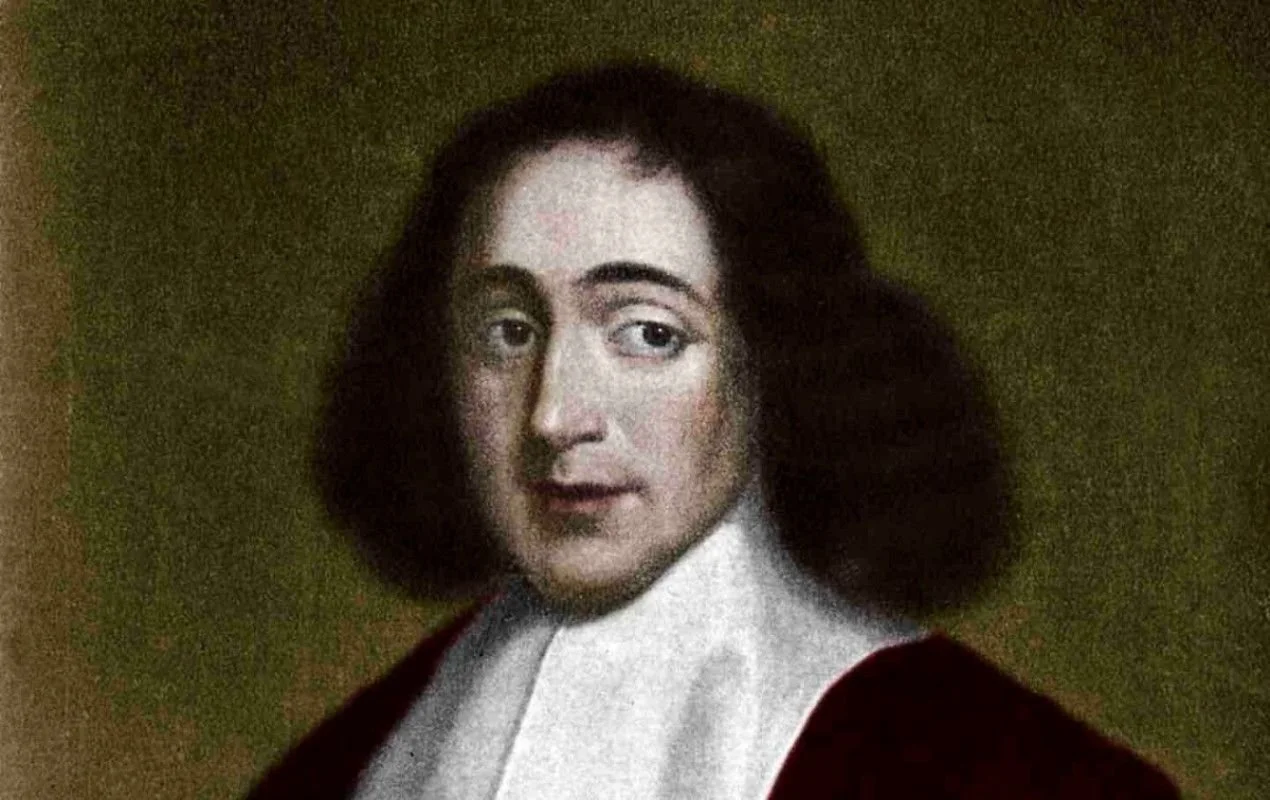
Spinoza questioned ideas that many people around him accepted without discussion 🤔. His work helped shape later thinking about freedom of thought, democracy and rationalism, making his connection with Amsterdam much deeper than simply having lived here.
• Born in Amsterdam in 1632 🏠
• Became one of Europe's major philosophers 🧠
• Wrote about freedom, religion and reason 📚
• His ideas influenced later European philosophy 🌍
📍 Explore: Amsterdam's historic Jewish Quarter and Spinoza-related sites
9. 📚 René Descartes — "I Think Therefore I Am"
📍 Where: Amsterdam and the Netherlands
🕒 Visit: Explore historic locations connected with Amsterdam's intellectual history
ℹ️ Info: The French philosopher spent many years in the Dutch Republic
René Descartes is another major thinker connected with the intellectual world of the Dutch Republic 📚. The French philosopher spent many years in the Netherlands, where he found an environment that gave him space to write, think and develop his ideas.
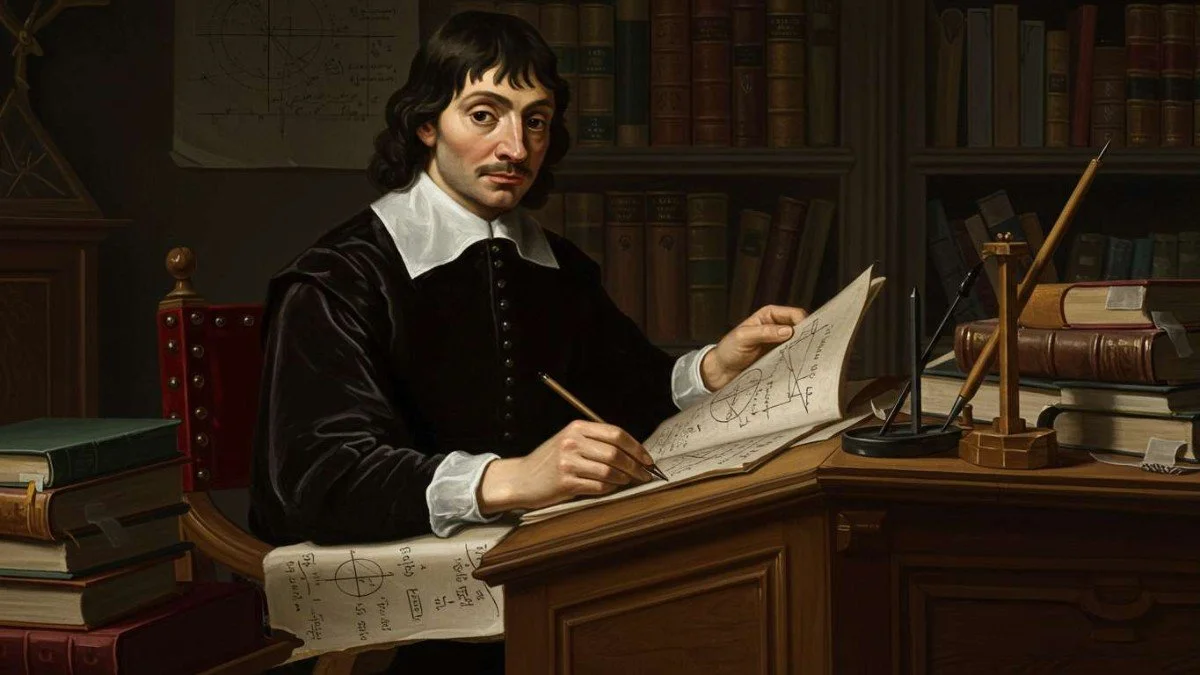
His famous philosophical statement, “I think, therefore I am,” became one of the most recognised ideas in Western philosophy 🧠. His connection with the Netherlands shows another side of Amsterdam's history — a place where artists, scientists, writers and thinkers could exchange ideas and challenge old beliefs.
• French philosopher and mathematician 🧠
• Spent many years living in the Dutch Republic 🇳🇱
• Famous for Cogito, ergo sum 📚
• Influenced modern Western philosophy
📍 Explore: Amsterdam's historic intellectual and cultural sites
10. 🔬 Antonie van Leeuwenhoek — The Man Who Discovered the Invisible World
📍 Where: Amsterdam and Micropia
🕒 Visit: Check Micropia for current opening hours and tickets
ℹ️ Info: Van Leeuwenhoek helped open the microscopic world to scientific study
Imagine living in the 17th century and suddenly being able to see a world that nobody around you had ever seen before 🔬. That was the incredible contribution of Antonie van Leeuwenhoek, a Dutch scientist whose improved microscopes allowed him to observe microorganisms and microscopic structures.
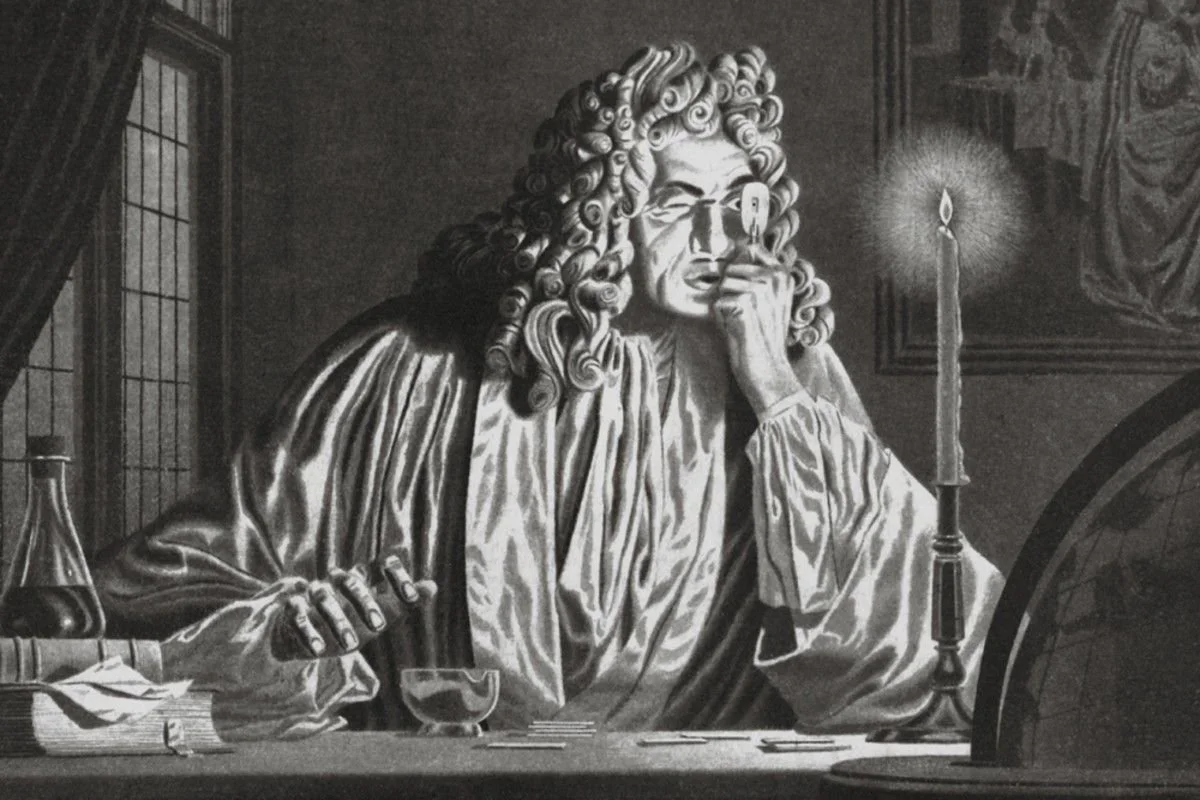
His discoveries changed how people understood the natural world 🦠. Amsterdam's connection with this scientific history can still be explored today through places such as Micropia, where visitors can discover the microscopic world that is normally invisible to the human eye.
• Improved microscopes 🔬
• Observed microorganisms 🦠
• Helped establish early microbiology
• His discoveries changed scientific understanding 🌍
📍 Visit: Micropia, Plantage Kerklaan
11. 🎭 Joost van den Vondel— Amsterdam's Great Poet
📍 Where: Amsterdam's historic city center
🕒 Visit: Explore locations connected with Amsterdam's literary history
ℹ️ Info: Vondel was one of the most important Dutch poets and playwrights of the 17th century
Joost van den Vondel was a major figure in Dutch literature during Amsterdam's Golden Age 🎭. He wrote poetry and plays and became one of the most respected literary voices of his time.
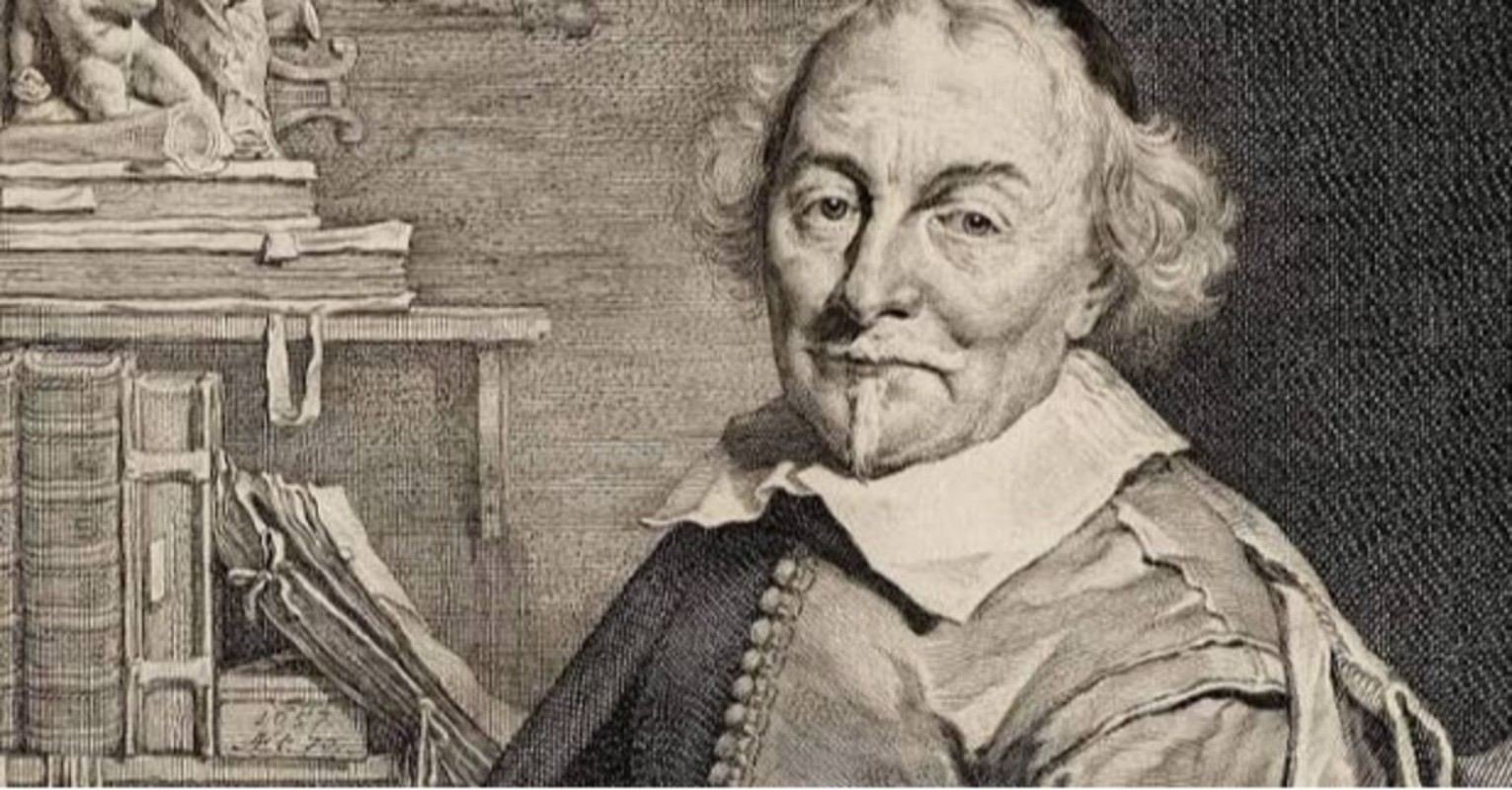
His work reflected the culture, politics, religion and everyday life of 17th-century Amsterdam 📚. Calling him “Amsterdam's Shakespeare” is a useful comparison for visitors because, like Shakespeare in England, Vondel became deeply connected with the literary identity of his city and country 🇳🇱.
• One of the greatest Dutch poets 📖
• Lived and worked during Amsterdam's Golden Age 🇳🇱
• Wrote poetry, plays and dramatic works 🎭
• His name remains part of Amsterdam's cultural history ❤️
📍 Explore: Amsterdam's historic center and literary
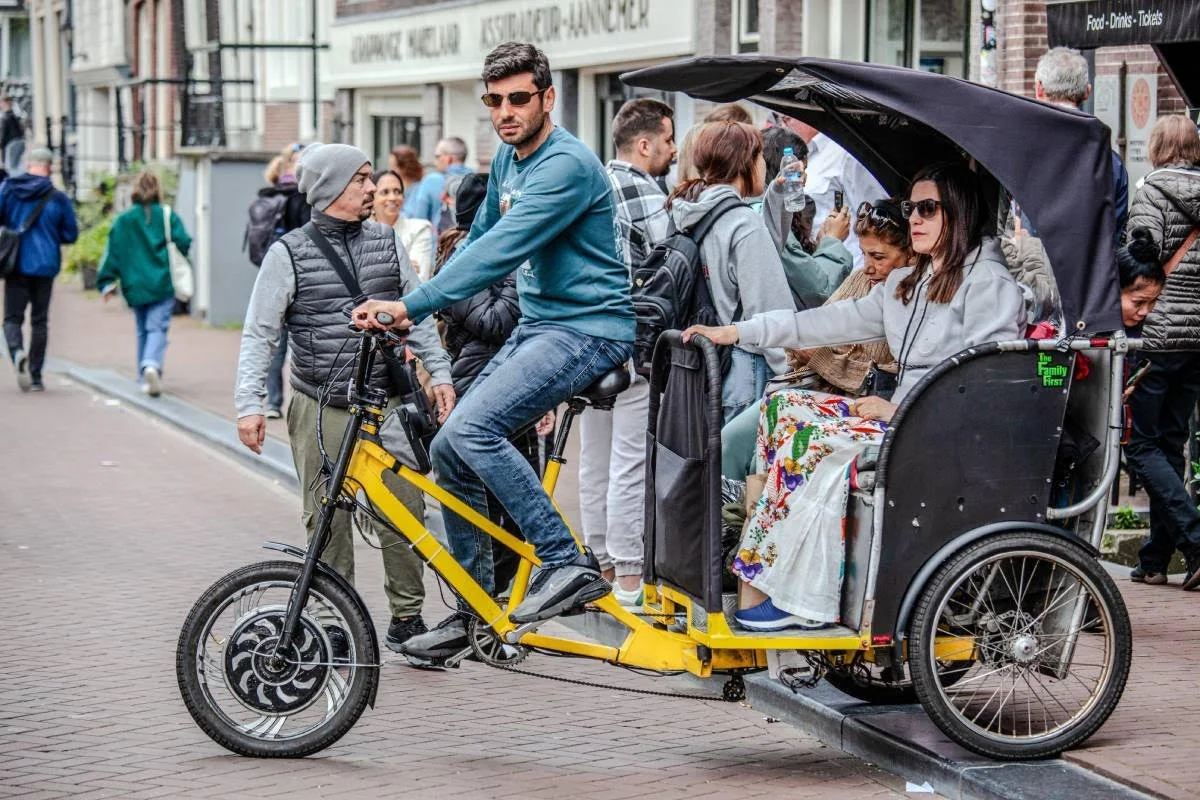
Explore Amsterdam by Electric Pedicab
Private rickshaw tours · From €12 · Local guides · Mon–Sun 8AM–6PM
Before heading out on your day trip, explore Amsterdam the fun way — by private electric pedicab. Cruise through canals, Jordaan, and hidden streets with a friendly local guide. No crowded trams, no tired legs — just a relaxed Amsterdam experience.