
Amsterdam is famous for its canals, beautiful bridges and historic houses. But there is another side to the city that many visitors overlook. 🏭Beyond the postcard views, you'll find enormous shipyard halls, former gasworks, old military forts and warehouses that once supported Amsterdam's industrial and trading economy.
Some places now host artists, museums and restaurants. Others preserve their original structures and weathered appearance, offering a glimpse into a different era. Their stories are fascinating because they show how Amsterdam has changed while keeping traces of its past. 🧱
1. ⚓ NDSM Wharf: The Shipyard That Became a Creative District
📍 Where: NDSM-Plein, 1033 WC Amsterdam,
🕒 Best Time: Spring to early autumn for exploring the waterfront.
NDSM Wharf was once a major shipbuilding site where workers built and repaired ships. ⚓ After the shipyard declined, its industrial halls found a new purpose.

Today, the old brick buildings host cultural activities, restaurants, events and creative spaces. 🎨 The surrounding green park makes this former industrial site a popular place to relax and explore. 🌳
⚓ Discover the history of Amsterdam's shipbuilding industry.
🎨 Explore a creative district filled with street art and cultural spaces.
🏭 See former industrial buildings that have found new uses.
🌊 Enjoy views across the IJ waterfront.
2. 🏭 Westergas: The Former Gasworks Hidden Inside a Park
📍 Where: Polonceaukade 9, 1014 DA Amsterdam,
🕒 Best Time: Spring to autumn for combining the historic buildings with a park walk.
Today, the old brick buildings host cultural activities, restaurants, events and creative spaces. 🎨 The surrounding green park makes this former industrial site a popular place to relax and explore. 🌳
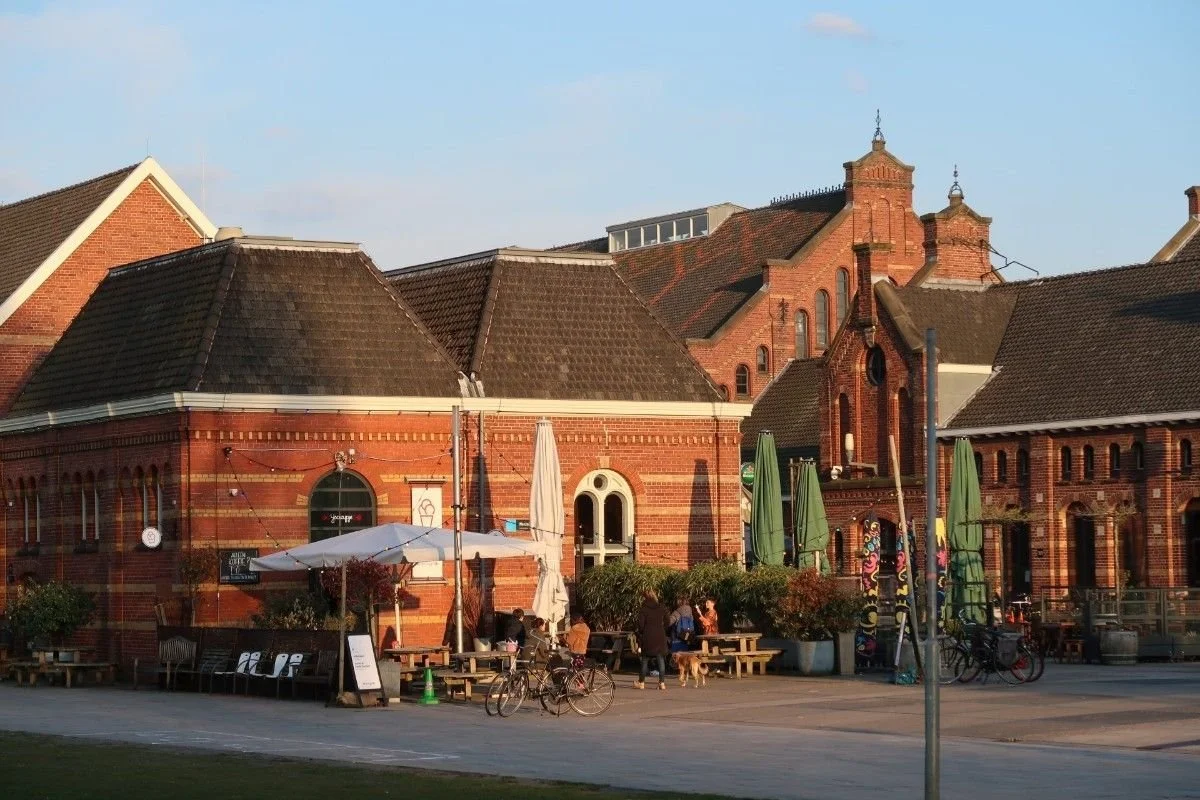
Today, the old brick buildings host cultural activities, restaurants, events and creative spaces. 🎨 The surrounding green park makes this former industrial site a popular place to relax and explore. 🌳
What makes it special:
🏭 See historic factory buildings that have retained their character.
🌳 Explore a park surrounding the former industrial complex.
🎭 Discover cultural venues, events and exhibitions.
📸 Photograph the contrast between industrial architecture and greenery.
3. 🧨 Hembrugterrein: Inside a Former Secret Weapons Factory
📍 Where: Hemkade 18, 1506 PR Zaandam
🕒 Best Time: Spring to autumn; check individual venues before visiting.
Hembrugterrein was once an important manufacturing area connected to the Dutch state arms industry. 🔩 Its large industrial buildings and factory structures reflect its military and manufacturing past
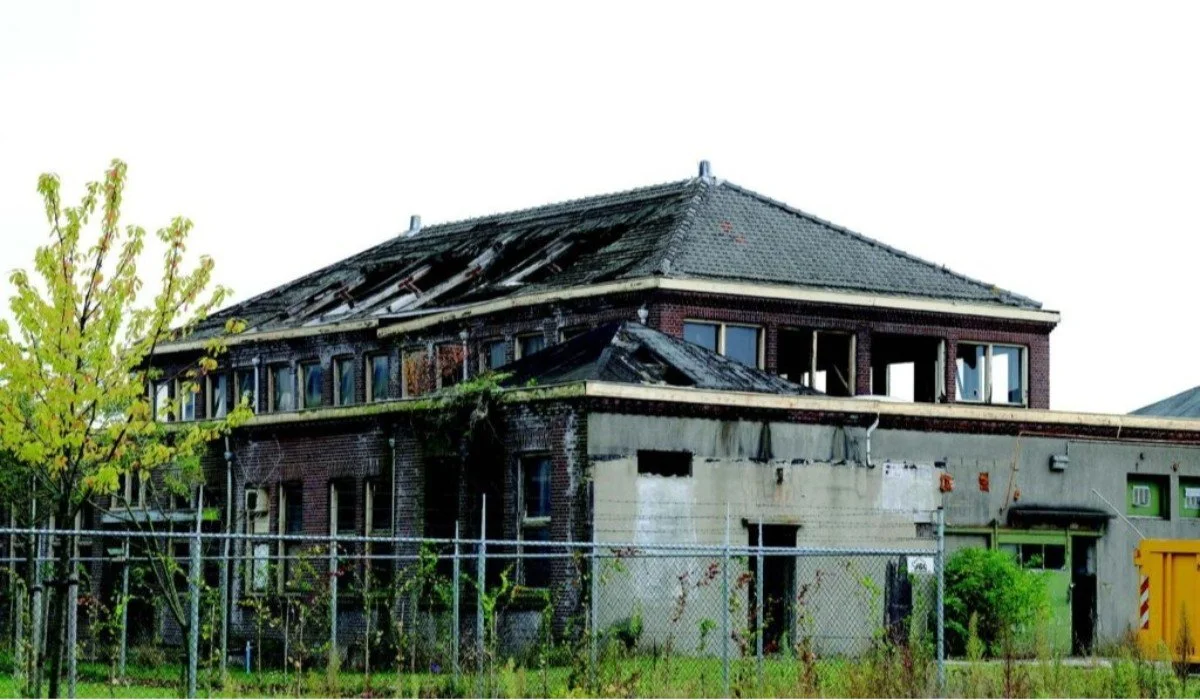
Today, parts of the site have found new uses for creative businesses, exhibitions and cultural activities. 🎨 Its industrial atmosphere makes it a distinctive place to explore.
What makes it special:
🧨 Discover the history of a former weapons and ammunition complex.
🏚️ See historic industrial structures and unusual architecture.
🎨 Find creative businesses, cultural venues and exhibitions.
🌿 Experience the mix of industrial heritage and surrounding greenery.
4. 🚋 De Hallen: The Old Tram Depot With a New Purpose
📍 Where: Bellamyplein 51, 1053 AT Amsterdam,
🕒 Best Time: All year, especially on rainy days when indoor exploring is appealing.
De Hallen was built as a tram depot in the early 20th century. 🚋 Its large halls once served Amsterdam’s public transport system before the complex was transformed into a cultural destination.
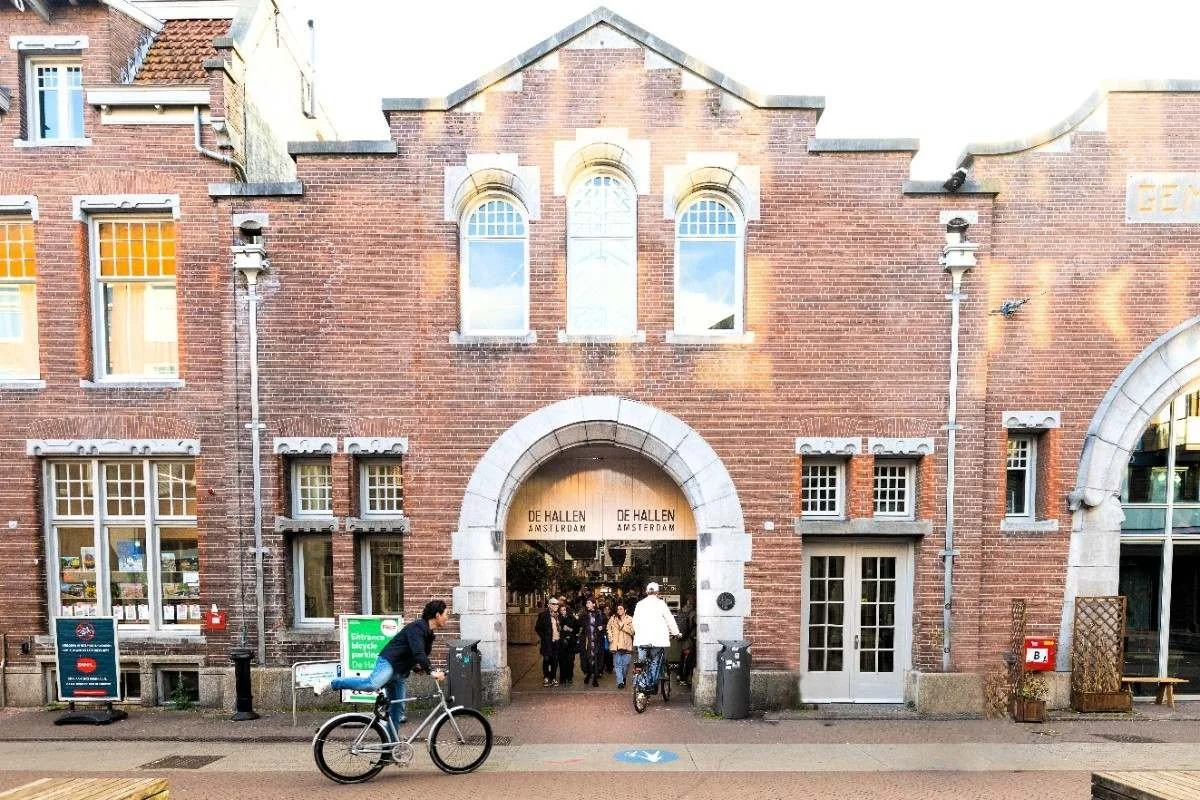
Today, visitors can explore its food hall, cinema, galleries and creative spaces inside the historic structure. 🍽️ It is a great example of an old transport building being given a modern purpose.
It is a good example of how a building can preserve its original character without remaining frozen in time.
🚋 Discover the history of a former tram depot.
🧱 Admire the industrial architecture and large interior spaces.
🍽️ Explore food stalls and places to eat.
🎬 Combine the historic setting with cinema and cultural activities.
5. 🏰 Fort Pampus: The Fortress on an Artificial Island
📍 Where: Fort Pampus, near Muiden
🕒 Best Time: During the visitor season; check ferry dates before planning your visit.
Fort Pampus looks mysterious from the water, with its heavy masonry and low profile emerging from an artificial island in the IJmeer.Built in the late nineteenth century, the fort formed part of the Defence Line of Amsterdam.
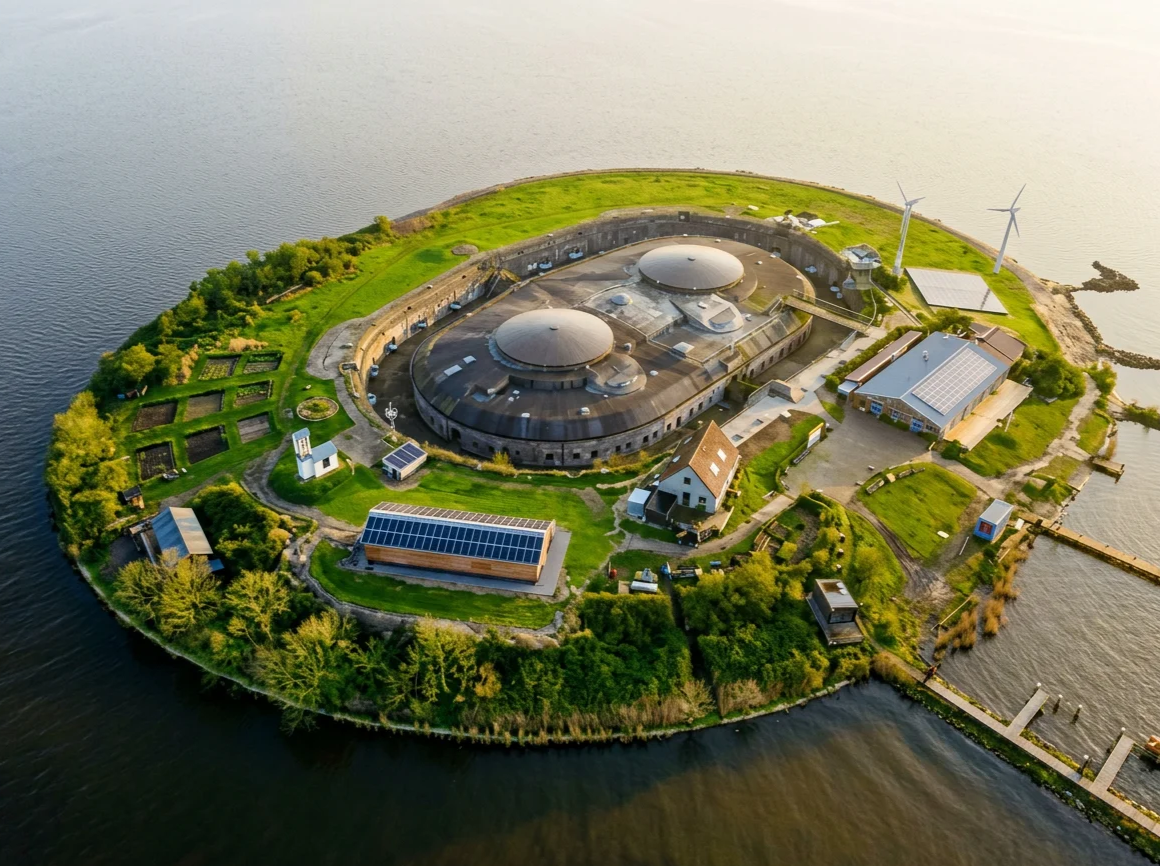
It was designed to protect the city's approaches and shipping routes, using a wider defensive system that included forts and the possibility of flooding surrounding land.The fortress is no longer a secret military installation. It is a heritage attraction where visitors can explore its historic spaces and learn about its defensive purpose.
What makes it special:
🏰 Explore a fortress built on an artificial island.
🛡️ Discover the military history of Amsterdam's defensive system.
🚪 See historic passages and fortress interiors.
🌊 Enjoy the unusual setting surrounded by water.
6. 🧱 The Western Islands: Old Warehouses and Forgotten-Looking Streets
📍 Where: Bickerseiland, Prinseneiland and Realeneiland, Amsterdam, Netherlands
🕒 Best Time: All year for a quiet architectural walk.
The Western Islands were once important to Amsterdam's maritime trade. Their warehouses stored goods arriving by ship, including grain, tobacco, salt and other commodities.
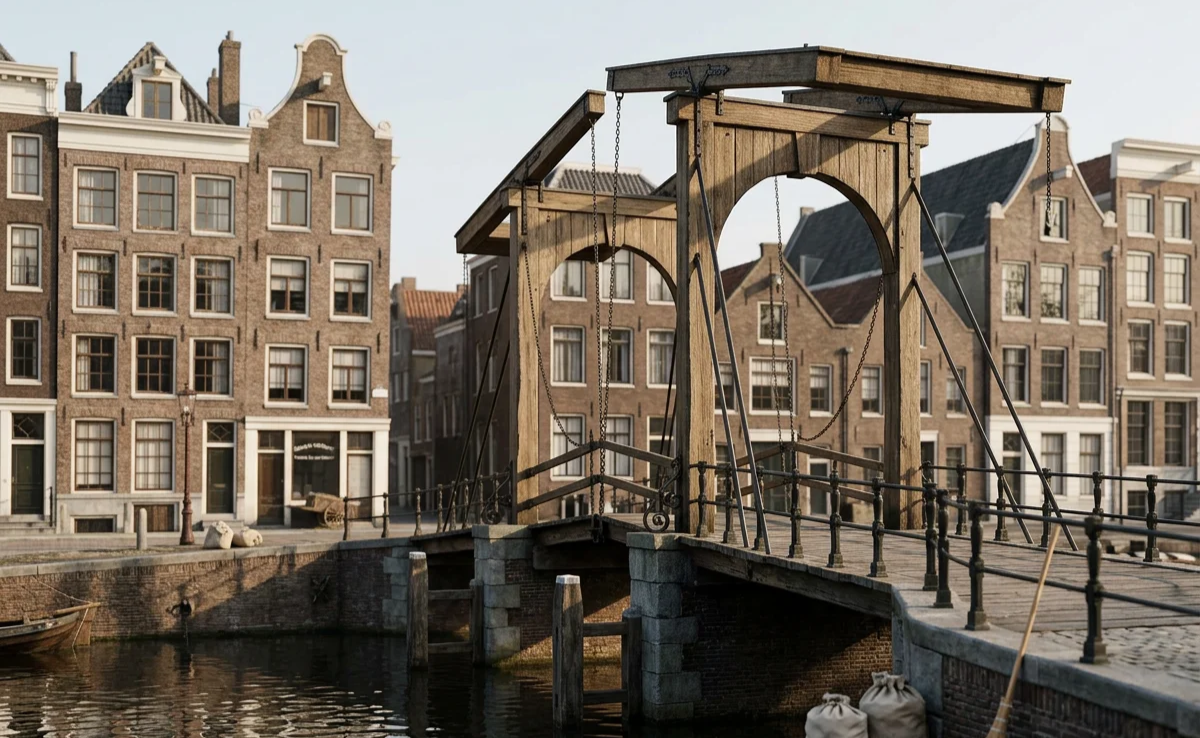
Today, many of these former industrial and storage buildings have become homes, studios and workspaces. Their heavy doors, brick walls, loading features and old façades still hint at the commercial activity that once filled these streets.
The area feels different from the busy canal belt. Instead of grand tourist façades, you'll find quieter waterways and buildings that reveal Amsterdam's working past.
What makes it special:
📦 Discover historic warehouses linked to maritime trade.
🧱 Notice old brick façades and traditional loading features.
🚶 Walk through quieter streets beside the canals.
📸 Photograph architecture that has survived centuries of change.
7. ⚓ National Maritime Museum: The Former Naval Arsenal
📍 Where: Kattenburgerplein 1, 1018 KK Amsterdam, Netherlands
🕒 Best Time: All year; an excellent indoor option in colder or rainy weather.
The National Maritime Museum occupies a building that was originally constructed as an arsenal for the Dutch navy in the seventeenth century.
The enormous structure was used to store naval supplies, including ropes, sails, flags and weapons. Its scale reflects the importance of shipping and maritime power in Amsterdam's history.
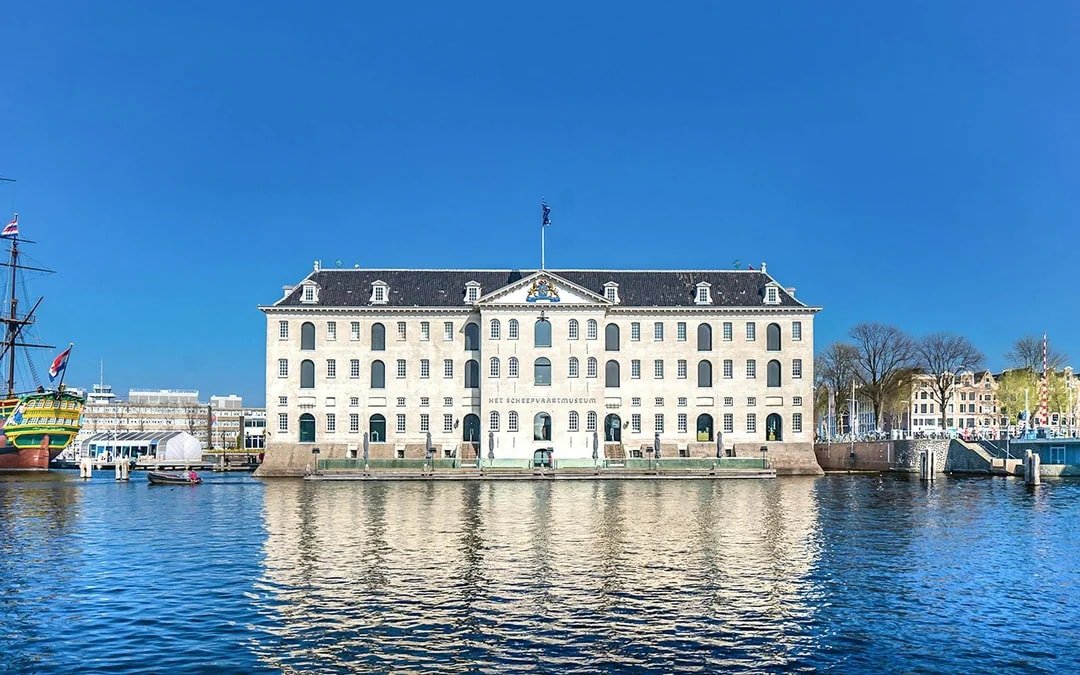
Today, the building has a new role as a museum dedicated to the Netherlands' relationship with the sea. The historic exterior and impressive courtyard preserve much of its monumental character.
What makes it special:
⚓ Explore a former naval arsenal.
🏛️ Admire the historic building and its architecture.
🚢 Discover the Netherlands' maritime and trading history.
🧭 Learn how shipping helped shape Amsterdam.
8. 🎨 Oostergas: The Former Gas Factory in Amsterdam East
📍 Where: Polderweg, 1093 KP Amsterdam, Netherlands
🕒 Best Time: Spring to autumn for exploring the surrounding neighbourhood.
Amsterdam East also has a former gasworks with a fascinating industrial past. The Oostergasfabriek once belonged to the city's gas-production infrastructure, helping provide the energy that supported urban life.
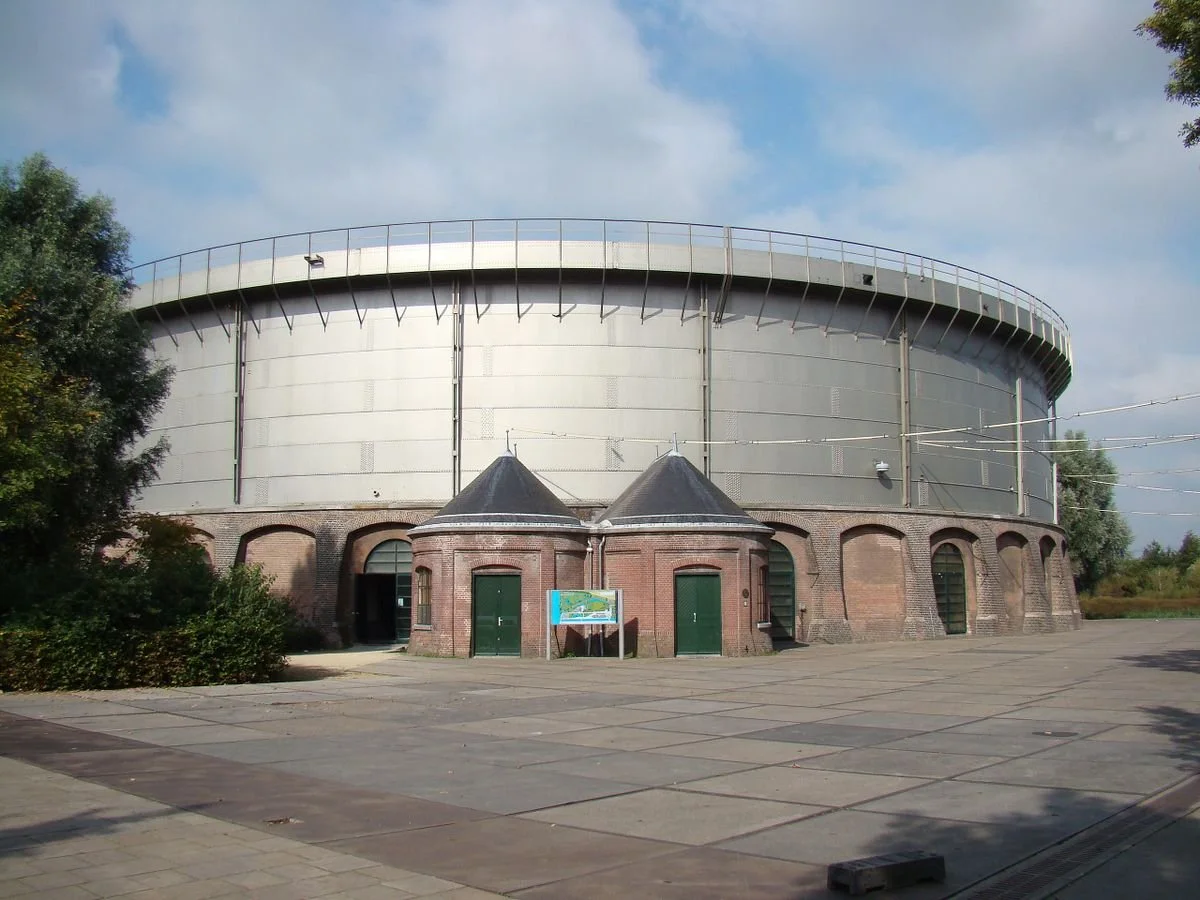
As industrial activity changed, the area was redeveloped. Its history remains visible in the surviving factory architecture, while newer buildings and creative venues have given the neighbourhood a different atmosphere.
Today, cultural spaces and businesses occupy parts of the former industrial area. It is a reminder that industrial heritage does not always disappear; sometimes it becomes part of a new urban identity.
🏭 Discover traces of Amsterdam's former gas industry.
🧱 Look for surviving industrial façades.
🎶 Explore modern cultural venues in the surrounding area.
🌆 See how an industrial neighbourhood has changed over time.
9. 🏰 Kunstfort Vijfhuizen: A Military Fort Turned Art Space
📍 Where: Fortwachter 1, 2141 EE Vijfhuizen
🕒 Best Time: Check the current exhibition calendar before visiting.
Outside Amsterdam, Kunstfort Vijfhuizen offers a different experience of historic military architecture. The fort was built as part of the Defence Line of Amsterdam, a defensive network of fortifications surrounding the city.
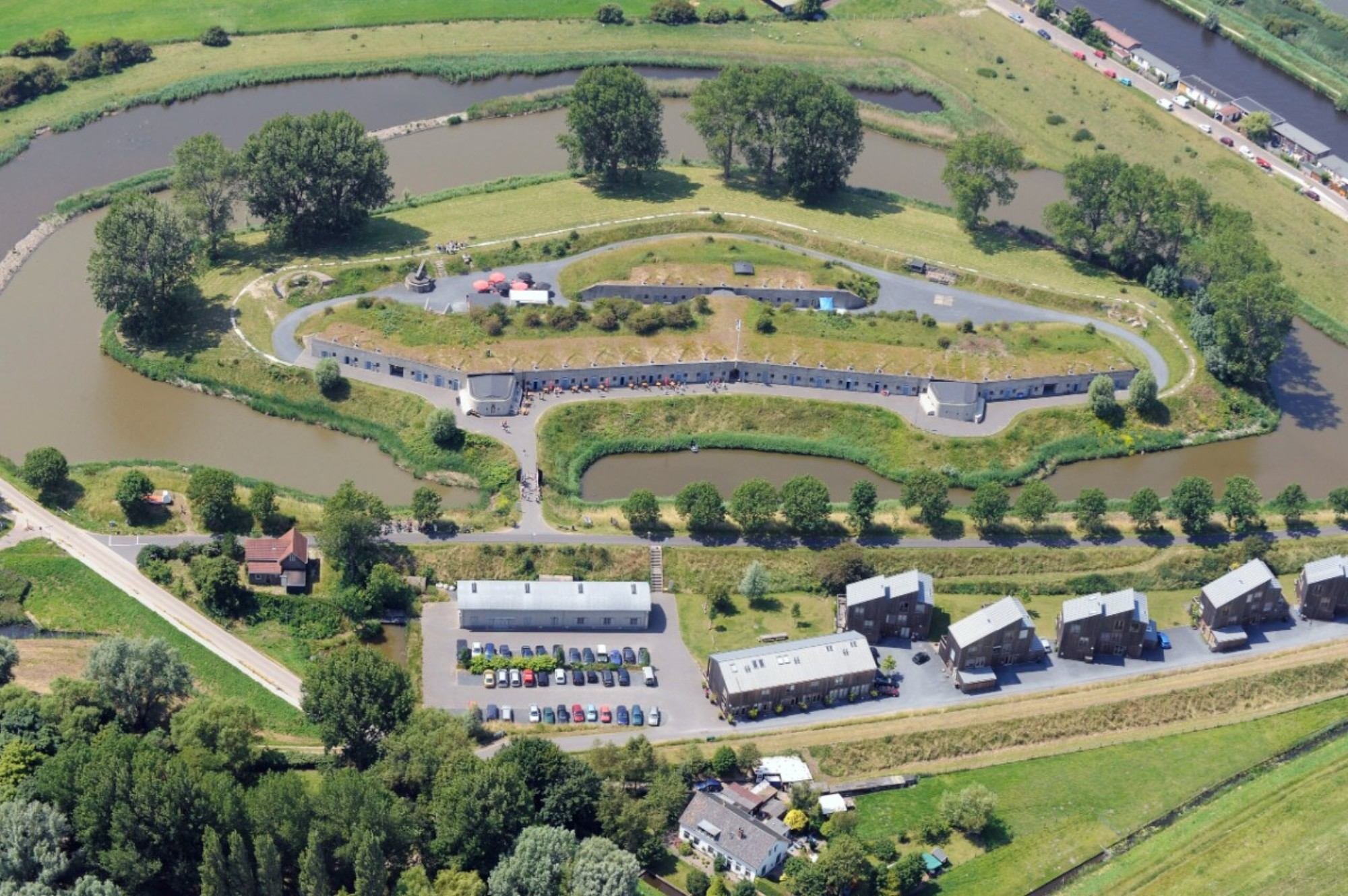
Its thick walls and distinctive layout reflect a time when forts were essential to the country's military planning. Today, the site has been repurposed as a centre for contemporary art, with exhibitions and cultural activities bringing new life to the historic structure.
The combination of military architecture and modern art makes the fort especially interesting for visitors who enjoy unusual buildings and places with more than one story.
🏰 Explore a historic fort linked to Amsterdam's defence.
🎨 Discover contemporary art in a military setting.
🌿 Experience the fort's distinctive surroundings.
🧱 See how heritage buildings can be reused creatively.
10. 🏚️ Cruquius: Industrial Heritage in a Changing Waterfront District
📍 Where: Cruquiusweg, 1019 AT Amsterdam
🕒 Best Time: Spring to autumn for exploring the neighbourhood on foot.
Cruquius, in Amsterdam East, developed as an industrial area with factories, railway connections, docks and warehouses. Its location made it useful for moving heavy goods and supporting the city's industrial economy.
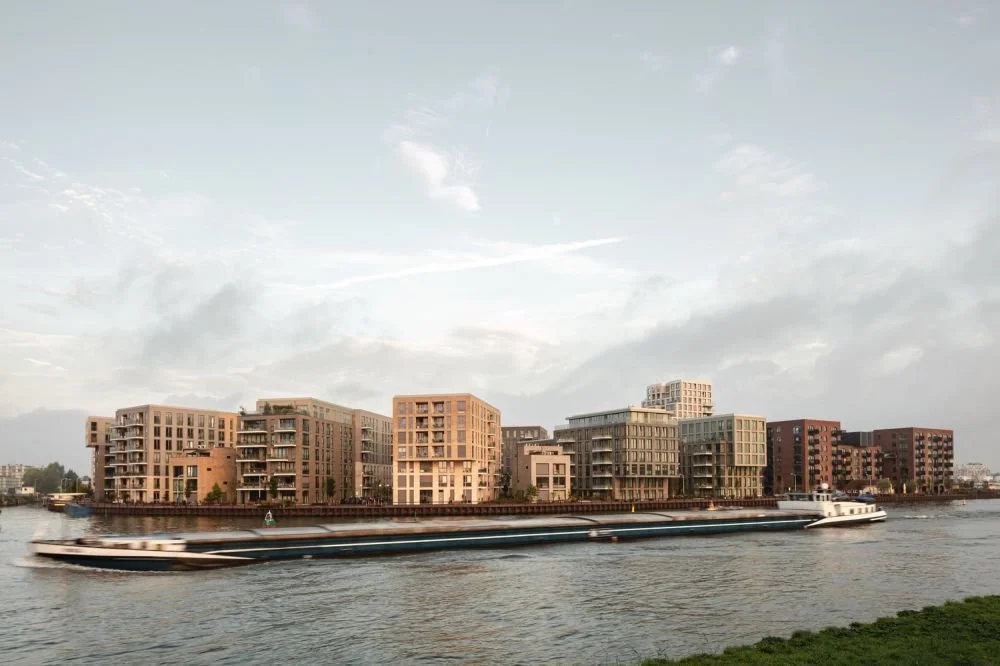
As industries changed and some businesses moved away, parts of the area were redeveloped for housing, workspaces and cultural activities. Elements of the old industrial landscape have been preserved, giving the neighbourhood a different appearance from Amsterdam's historic centre.
Look closely at the buildings and public spaces, and you can still find reminders of the machinery, transport routes and industrial work that once defined the district.
What makes it special:
🏭 Discover the industrial history of Amsterdam's eastern waterfront.
🚂 Look for traces of former railway and factory infrastructure.
🧱 Notice how industrial architecture has been reused.
🌊 Explore a waterfront neighbourhood shaped by redevelopment.
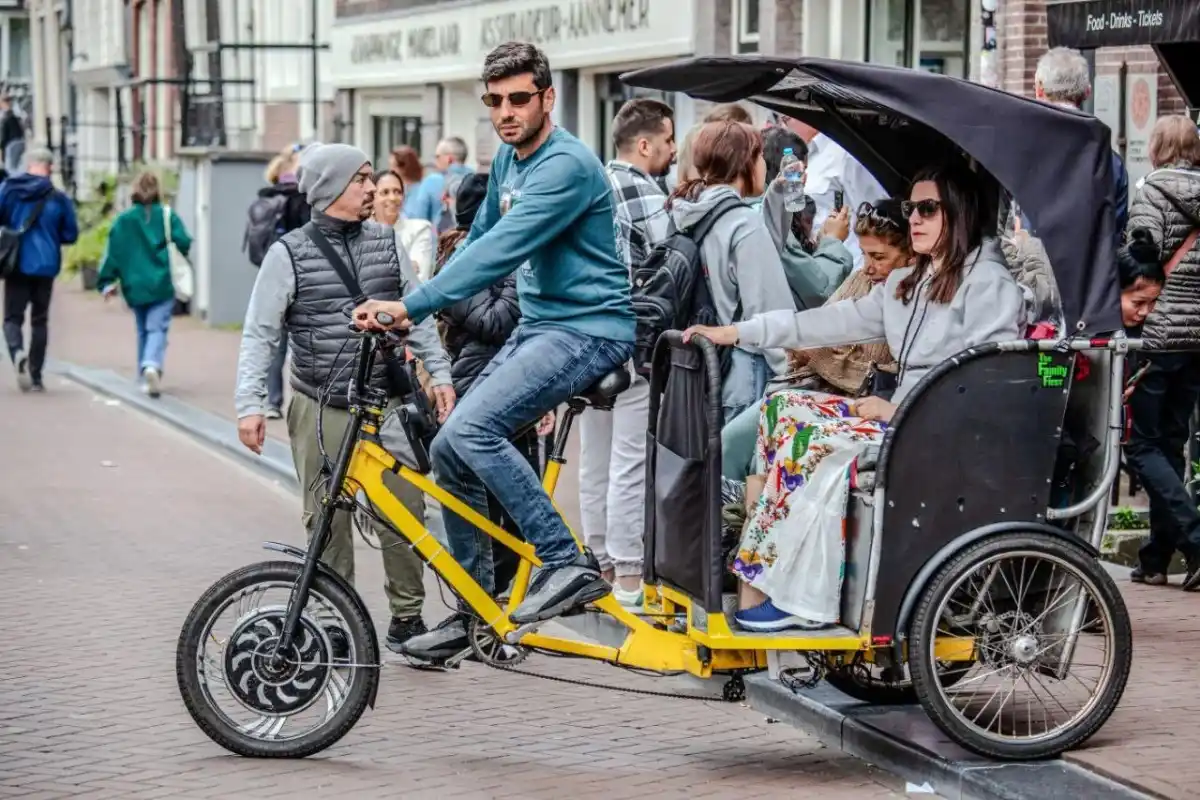
Explore Amsterdam by Electric Pedicab
Private rickshaw tours · From €12 · Local guides · Mon–Sun 8AM–6PM
Before heading out on your day trip, explore Amsterdam the fun way — by private electric pedicab. Cruise through canals, Jordaan, and hidden streets with a friendly local guide. No crowded trams, no tired legs — just a relaxed Amsterdam experience.